Items where Year is 2012
 | Up a level |
A
Preparing students for their Year Abroad in the Hispanic World.
We will share the TEACHERS' BOOK with the answer keys for all the exercises, all the transcriptions and some audio tracks, *FREE OF CHARGE* to all teachers currently using or would like to adopt the texbook, here in Language Box, from the end of August 2012. Watch this space! Many thanks for taking the time to read this. The authors
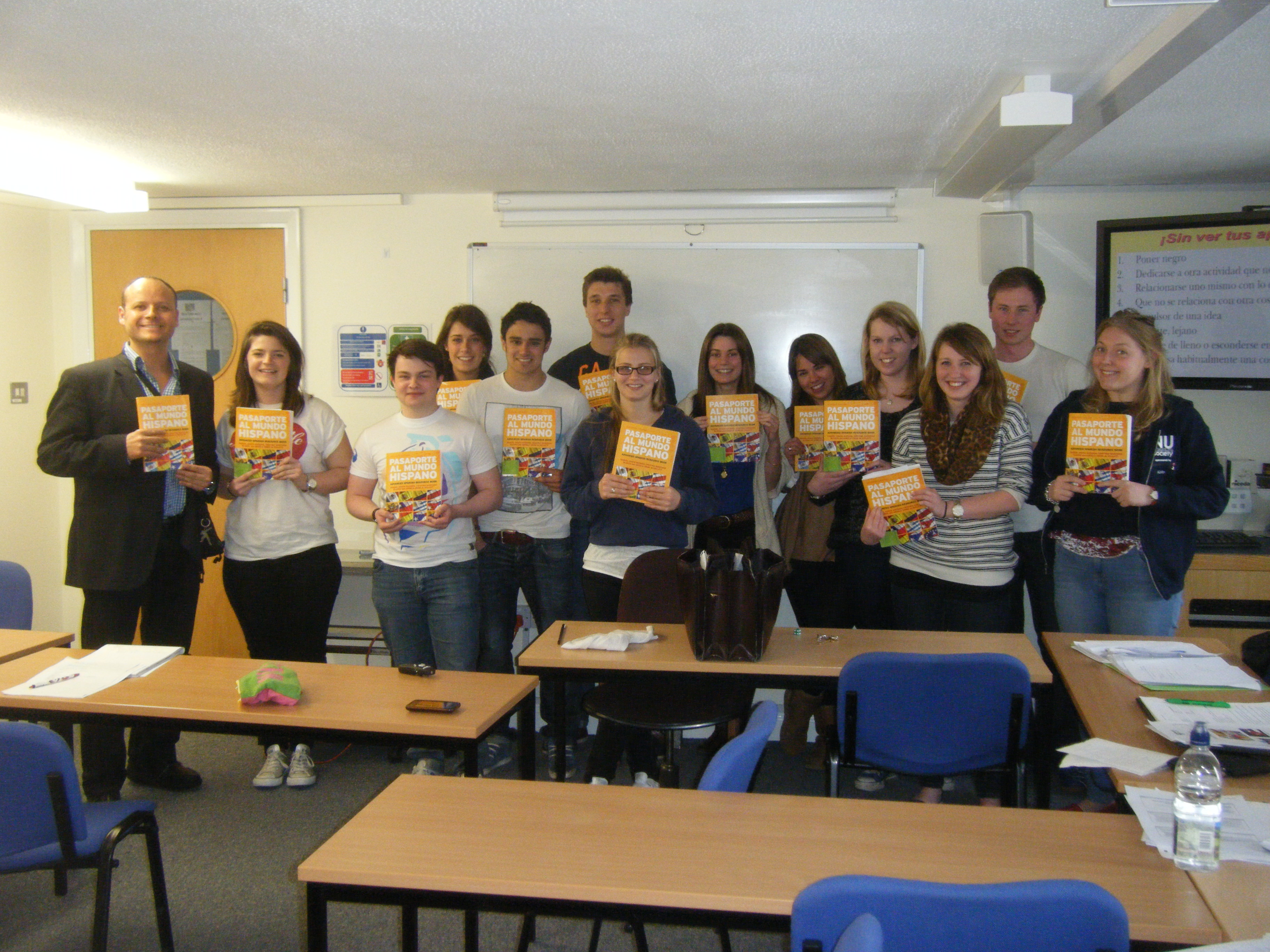
TEACHERS BOOK, Pasaporte al Mundo Hispano.
We will share the TEACHERS' BOOK with the answer keys for all the exercises, all the transcriptions and some audio tracks, *FREE OF CHARGE* to all teachers currently using or would like to adopt the texbook, here in Language Box, from the end of August 2012. Watch this space! Many thanks for taking the time to read this. The authors
B
Added On: 13 Sep 2012 13:08
Languages: Italian, English
Tags: Italian, Intermediate, News article, FAVOR, OER, Exercise, LOC Tool
"Panico da esami".
This is an online activity for Italian, which deals with the topic 'exam stress'.
Added On: 28 May 2012 20:40
Languages: Italian, English
Tags: FAVOR, Holiday, Past tense, Food, Listening, Dialogue, UKOER, Beginners/intermediate

A dialogue about holiday - Listening exercise.
A conversation between two friends about their holidays. Comprehension exercise + answers. Topics: holiday, food. Grammar: past tense.
Added On: 29 May 2012 10:52
Languages: Italian, English
Tags: Integrated lesson, partitives, Colours, FAVOR, Adjectives, Shopping, Fruit

A presentation: food shopping,colours.
An integrated lesson at beginners level involving images, grammar(partitives, adjectives), functional language (shopping, fruit, colours)and exercises.
Added On: 29 May 2012 08:39
Languages: Italian, English
Tags: FAVOR, Intermediate, Interrogatives, Exercise, Oral, Writing, Questions

Asking questions: Exercise and Answers.
Exercise: These are the replies, say or write for each reply the respective question. To practice using interrogatives and verbs.
Added On: 16 Sep 2012 15:37
Languages: Italian, English
Tags: FAVOR, OER, Beginners, Months, Seasons, Exercise, LOC Tool
Added On: 20 Mar 2012 13:31
Languages: Italian, English
Tags: FAVOR, UKOER, Beginners, Imperative, Grammar, Imperativo, Esercizi, Exercises
Imperative - grammar presentation.
A presentation: Informal and formalimperative in Italian + exercises with answers. Presentazione dell`imperativo informale e formale + esercizi con risposte.
Added On: 16 Sep 2012 15:44
Languages: Italian, English
Tags: FAVOR, OER, Beginners, Intermediate, LOC Tool, Listening, Comprehension, Video, Paper
La carta fatta a mano ad Amalfi.
This is an online activity for Italian. It is a listening comprehension.
Added On: 13 Sep 2012 13:47
Languages: Italian, English
Tags: FAVOR, OER, Beginners, Reflexive, Verbs, Grammar, Exercises, Presentation, LOC Tool
La routine quotidiana - Verbi riflessivi.
An online activity on the topic of 'daily routine' - for Italian.
Added On: 22 May 2012 13:56
Languages: Italian, English
Tags: FAVOR, UKOER, Beginners, Listening, Song, Present tense, grammar, Esercizi
Listening exercise: Andrea Bocelli's song.
Andrea Bocelli's song "Il canto della terra": listening exercise + present tense grammar exercises. Beginners.
Added On: 26 Jan 2012 13:58
Languages: Italian, English
Tags: ordering a drink, FAVOR, UKOER, Grammar: The articles, Role play, exercises
Ordering a drink in a bar: una bibita al bar.
An integrated Italian lesson at beginner level involving images, grammar (the articles),functional language( how to order), exercises.
Added On: 05 Feb 2012 12:56
Languages: Italian, English
Tags: FAVOR, UKOER, Past tense, Passato prossimo, Presentation, Grammar, Exercises, Simple perfect
Past tense grammar presentation.
A presentation: Past tense in Italian + short in class exercises Presentazione: passato prossimo con "essere"/"avere" + brevi esercizi in classe
Added On: 21 Mar 2012 13:58
Languages: Italian
Tags: FAVOR, UKOER, Beginners, Photos, Images, City, Milan
Added On: 23 May 2012 10:41
Languages: Italian, English
Tags: FAVOR, UKOER, Intermediate, Modal verbs, Verbi modali, Grammar, Exercises, Presentation

Presentation + exercises: Modal verbs.
A presentation with exercises and answers: modal verbs (Can,Must,Want)
Added On: 23 Mar 2012 10:06
Languages: Italian, English
Tags: FAVOR, UKOER, Beginners, Grammar, Impersonal "si", Recipe, Ricetta, Tiramisù recipe
Recipe: Tiramisù.
Recipe of the Italian dessert "Tiramisù" + Grammar "si impersonal" + exercise with answers.
Added On: 20 Feb 2012 10:30
Languages: Italian, English
Tags: FAVOR, Beginners, Song, listen exercise, volare, UKOER
The song "Volare" :Transcript and simple exercise.
The transcript of a song + hyperlink to UTube to listen + simple fill the gap exercise.
Added On: 13 Sep 2012 13:52
Languages: Italian, English
Tags: FAVOR, OER, Canzone, Song, Bocelli, Verbs, Beginners, LOC tool
Una canzone di Andrea Bocelli.
An online activity for Italian which involves listening to a song sung by Andrea Bocelli.
Coming in from the cold: recognition and reward for part-time language tutors in the FAVOR project.
I gave this presentation at the 'Language Futures: Languages in Higher Education conference 2012,' a biennial LLAS event. It was held in Edinburgh, 5/6th July 2012. This presentation describes the work of the JISC-funded FAVOR project which is working with part-time, hourly-paid language tutors to engage with open practice.
Added On: 06 Jun 2012 11:11
Languages: English
Tags: favor, humbox, open educational resources, OERs, JISC, professional development
Engaging language educators: OERs and staff development.
I gave this presentation at 'OERs and Languages' an HEA/OER seminar held at UCLAN, on 1st June, 2012. I talked about how LLAS community OER projects have led to an understanding of how engaging with open practice can lead to professional development in explicit ways (through impact of work on an external audience) and more subtle ways (through reflection, collaboration and review). Download ppt file to edit and reuse.
Added On: 24 Feb 2012 11:01
Languages: English
Tags: Parc Guell, Barcelona, Spain, Spanish, image, Gaudi



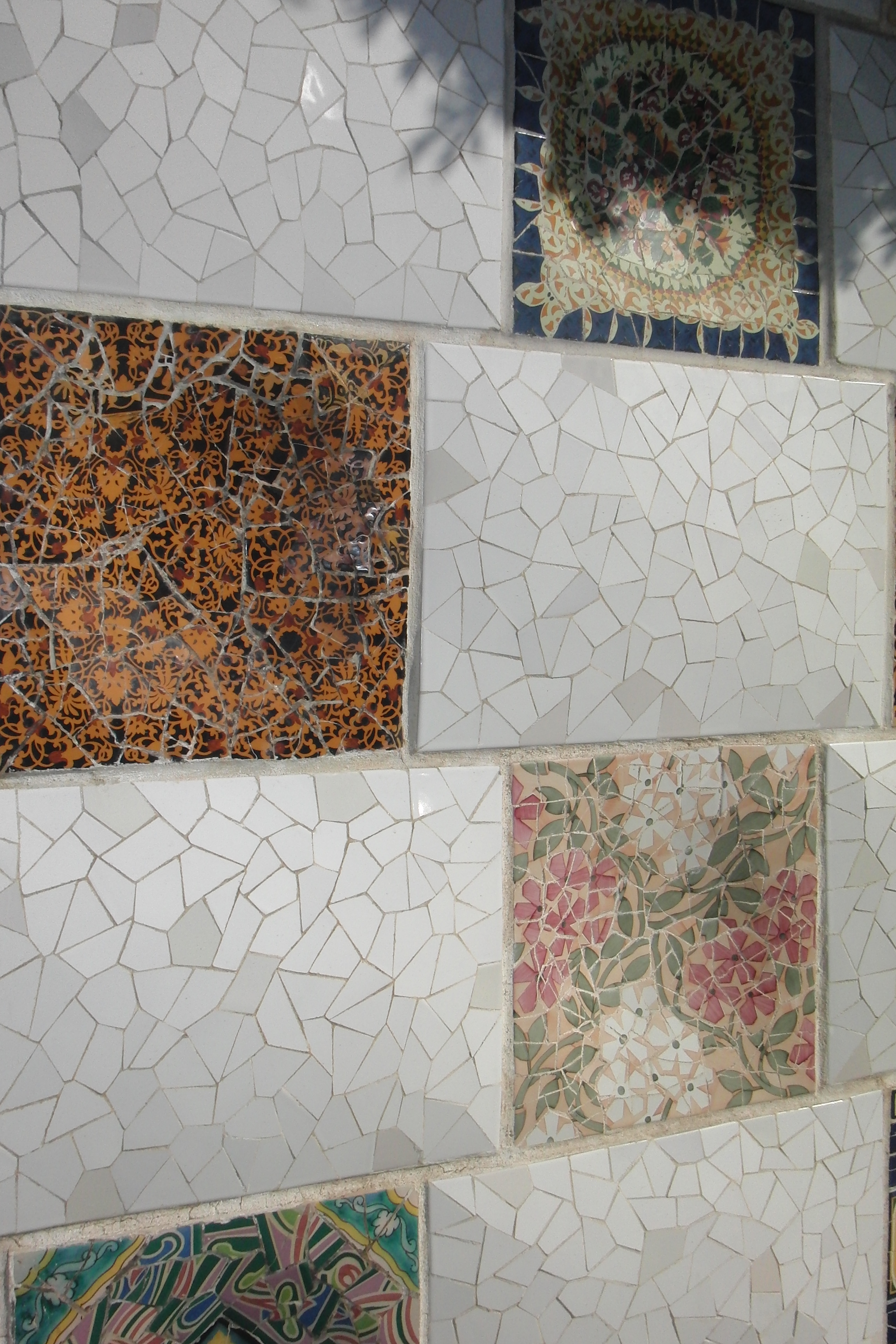



Images of Parc Guell, Barcelona.
These images were taken in October, 2011 and show Gaudi's designs in a park in Barcelona.
Added On: 24 Feb 2012 10:33
Languages: English
Tags: image, Barcelona, Spain, market, food


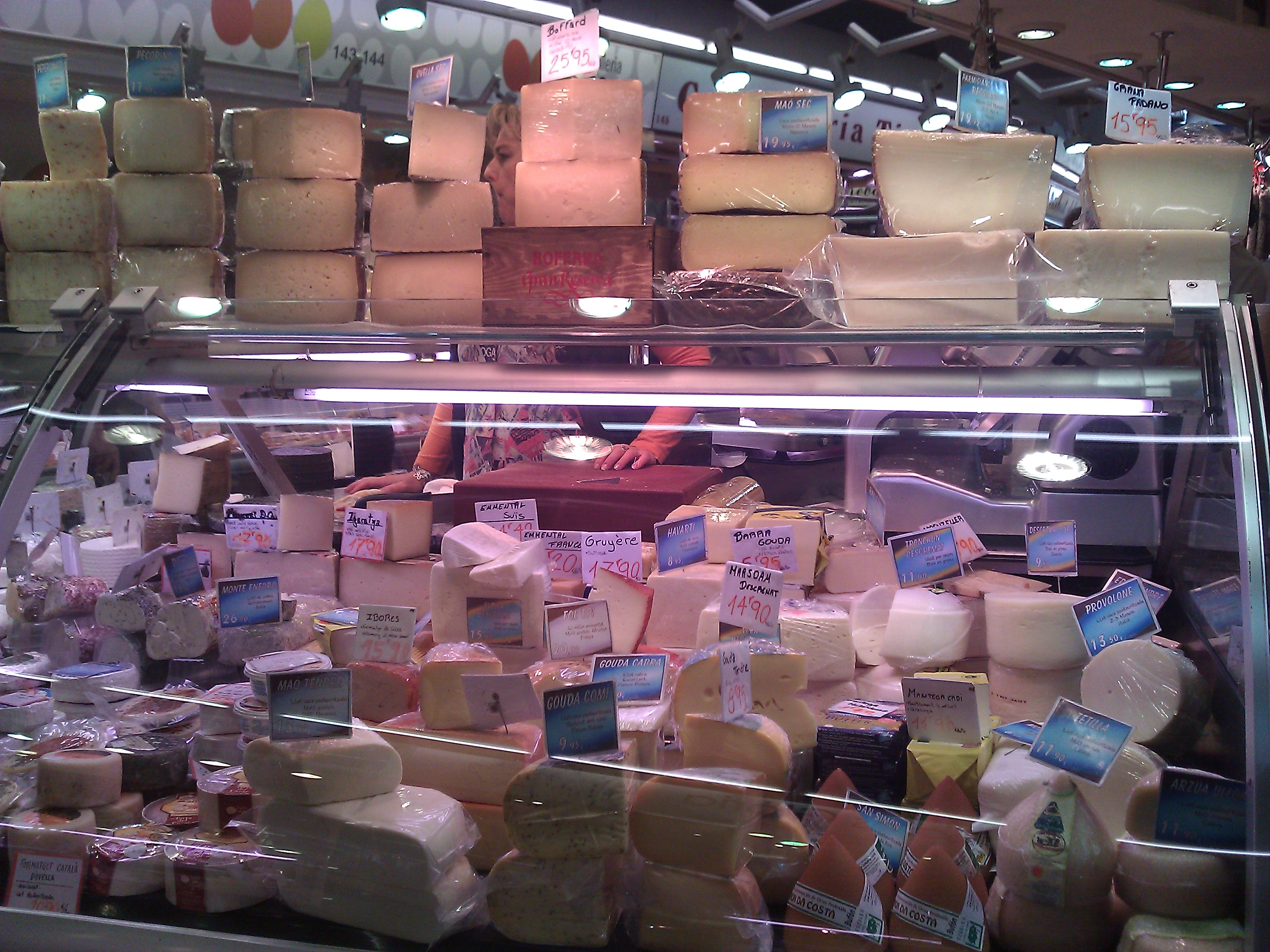

Images of a market in Barcelona.
These images of an indoor market in Barcelona were taken in October 2011.
Added On: 24 Feb 2012 10:42
Languages: English
Tags: Sagrada Familia, Spain, Barcelona, cathedral, Spanish, image


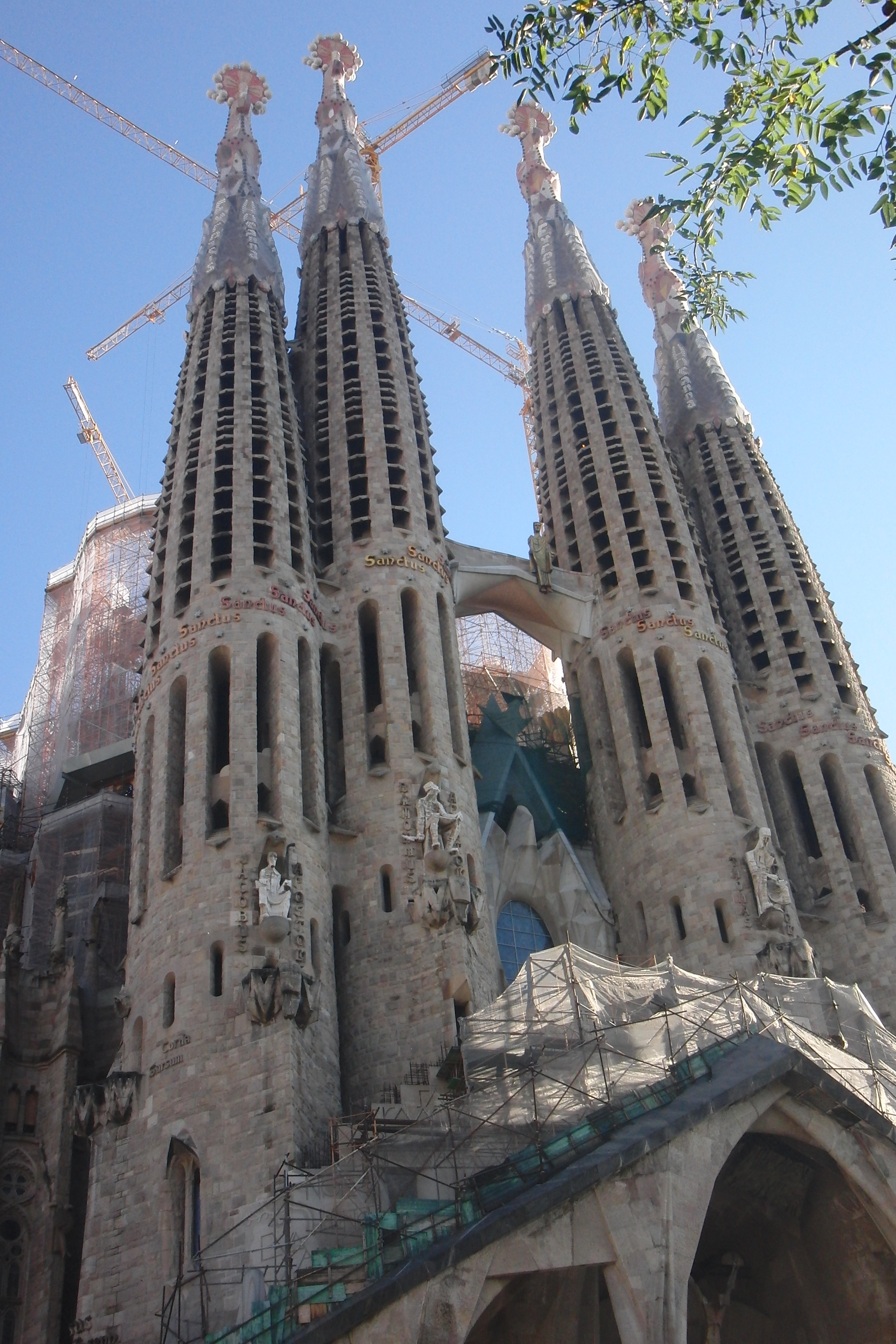
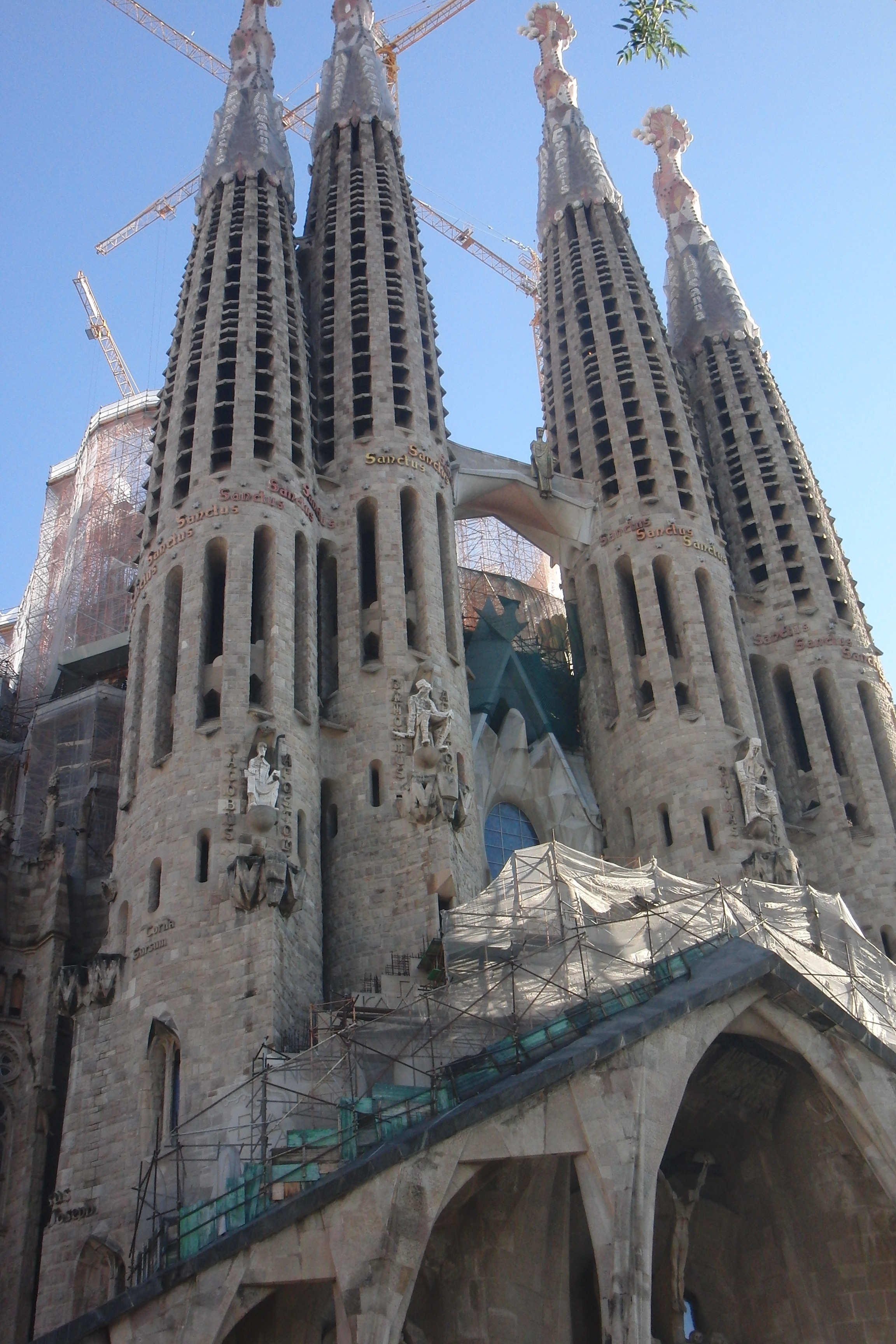










Images of the Sagrada Familia, Barcelona.
These images were taken in October, 2011. The Sagrada Familia is due to be completed in 2025/30.
Added On: 25 Apr 2012 15:16
Languages: English
Tags: FAVOR, JISC, open educational resources, favor, ukoer
Join the FAVOR project!
This powerpoint presentation was created to help project partners to articulate the FAVOR project aims and to recruit part-time/hourly-paid tutors to join the project. It outlines the benefits of engaging in open practice and gives examples of possible outputs which could be created and shared as part of the project.
Added On: 27 Mar 2012 10:55
Languages: Spanish, English
Tags: Community Cafe, languages, Spain, calendar, Spanish, language
LLAS/Why study...? downloadable calendar - April, 2012, Spanish.
This calendar, for the month of April 2012, in Spanish, was produced by LLAS Centre for Languages, Linguistics and Area Studies. It was created with help from teachers working on the JISC-funded Community Cafe project. Look out for another language next month! Quiz questions and answers are also included. This is the eighth of a 16-month series lasting until Dec 2012. A printed 'Why study..?' calendar for 2012 is available from www.routesintolanguages.ac.uk/calendar. It is FREE, with 3.50 p+p.
Added On: 19 Jul 2012 12:26
Languages: Estonian, English
Tags: Estonian, Community Cafe, languages, calendar, community languages, JISC
LLAS/Why study...? downloadable calendar - August 2012, Estonian.
This calendar, for the month of August 2012, in Estonian, was produced by LLAS Centre for Languages, Linguistics and Area Studies. It was created with help from teachers working on the JISC-funded Community Cafe project. Look out for another language next month! Quiz questions and answers are also included. This is the twelfth of a 16-month series lasting until Dec 2012. A printed 'Why study..?' calendar for 2012 is available from www.routesintolanguages.ac.uk/calendar. It is FREE, with 3.50 p+p.
Added On: 27 Nov 2012 10:01
Languages: German
Tags: Community Cafe, languages, calendar, JISC, language learning, German
LLAS/Why study...? downloadable calendar - December 2012, German.
This calendar, for the month of December 2012, in German, was produced by LLAS Centre for Languages, Linguistics and Area Studies. It was created with help from teachers working on the JISC-funded Community Cafe project. Quiz questions and answers are also included. This is the final month of a 16-month series. We have produced a 2013 calendar, order your copy at: https://www.routesintolanguages.ac.uk/calendar
Added On: 27 Jan 2012 18:14
Languages: Gaelic, English
Tags: Community Cafe, calendar, languages, language learning, Gaelic, Scottish
LLAS/Why study...? downloadable calendar - February 2012, Gaelic.
This calendar, for the month of February 2012, in Gaelic, was produced by LLAS Centre for Languages, Linguistics and Area Studies. It was created with help from teachers working on the JISC-funded Community Cafe project. Look out for another language next month! Quiz questions and answers are also included. This is the sixth of a 16-month series lasting until Dec 2012. A printed 'Why study..?' calendar for 2012 is now available from www.routesintolanguages.ac.uk/calendar. It is FREE, with 3.50 p+p.
Added On: 26 Jun 2012 09:38
Languages: Punjabi, English
Tags: Community Cafe, languages, calendar, JISC, community languages, Punjabi
LLAS/Why study...? downloadable calendar - July, 2012, Punjabi.
This calendar, for the month of July 2012, in Punjabi, was produced by LLAS Centre for Languages, Linguistics and Area Studies. It was created with help from teachers working on the JISC-funded Community Cafe project. Look out for another language next month! Quiz questions and answers are also included. This is the eleventh of a 16-month series lasting until Dec 2012. A printed 'Why study..?' calendar for 2012 is available from www.routesintolanguages.ac.uk/calendar. It is FREE, with 3.50 p+p.
Added On: 28 May 2012 10:59
Languages: French
Tags: Community Cafe, languages, calendar, language learning, JISC, French
LLAS/Why study...? downloadable calendar - June, 2012, French.
This calendar, for the month of June 2012, in French, was produced by LLAS Centre for Languages, Linguistics and Area Studies. It was created with help from teachers working on the JISC-funded Community Cafe project. Look out for another language next month! Quiz questions and answers are also included. This is the tenth of a 16-month series lasting until Dec 2012. A printed 'Why study..?' calendar for 2012 is available from www.routesintolanguages.ac.uk/calendar. It is FREE, with 3.50 p+p.
Added On: 27 Feb 2012 10:40
Languages: Urdu, English
Tags: Community Cafe, languages, community languages, calendar, Urdu
LLAS/Why study...? downloadable calendar - March 2012, Urdu.
This calendar, for the month of March 2012, in Urdu, was produced by LLAS Centre for Languages, Linguistics and Area Studies. It was created with help from teachers working on the JISC-funded Community Cafe project. Look out for another language next month! Quiz questions and answers are also included. This is the seventh of a 16-month series lasting until Dec 2012. A printed 'Why study..?' calendar for 2012 is now available from www.routesintolanguages.ac.uk/calendar. It is FREE, with 3.50 p+p.
Added On: 26 Apr 2012 09:46
Languages: Persian, English
Tags: Community Cafe, e-learning, languages, community languages, Persian, Iran, JISC, teaching
LLAS/Why study...? downloadable calendar - May, 2012, Persian.
This calendar, for the month of May 2012, in Persian, was produced by LLAS Centre for Languages, Linguistics and Area Studies. It was created with help from teachers working on the JISC-funded Community Cafe project. Look out for another language next month! Quiz questions and answers are also included. This is the ninth of a 16-month series lasting until Dec 2012. A printed 'Why study..?' calendar for 2012 is available from www.routesintolanguages.ac.uk/calendar. It is FREE, with 3.50 p+p.
Added On: 26 Oct 2012 16:39
Languages: Welsh
Tags: Community Cafe, calendar, community languages, teaching, JISC, language learning, Welsh
LLAS/Why study...? downloadable calendar - November 2012, Welsh.
This calendar, for the month of November 2012, in Welsh, was produced by LLAS Centre for Languages, Linguistics and Area Studies. It was created with help from teachers working on the JISC-funded Community Cafe project. Look out for another language next month! Quiz questions and answers are also included. This is the fifteenth of a 16-month series lasting until Dec 2012. We are currently in production of our 2013 calendar, pre-order your copy at: https://www.routesintolanguages.ac.uk/calendar
Added On: 27 Sep 2012 13:43
Languages: Hungarian
Tags: JISC, Hungarian, calendar, Community Cafe, community languages, language learning
LLAS/Why study...? downloadable calendar - October 2012, Hungarian.
This calendar, for the month of October 2012, in Hungarian, was produced by LLAS Centre for Languages, Linguistics and Area Studies. It was created with help from teachers working on the JISC-funded Community Cafe project. Look out for another language next month! Quiz questions and answers are also included. This is the fourteenth of a 16-month series lasting until Dec 2012. A printed 'Why study..?' calendar for 2012 is available from www.routesintolanguages.ac.uk/calendar. It is FREE, with 3.50 p+p.
Added On: 03 Sep 2012 10:40
Languages: Malay, English
Tags: Community Cafe, languages, JISC, community languages, calendar, teaching, Malay
LLAS/Why study...? downloadable calendar - September 2012, Malay.
This calendar, for the month of September 2012, in Malay, was produced by LLAS Centre for Languages, Linguistics and Area Studies. It was created with help from teachers working on the JISC-funded Community Cafe project. Look out for another language next month! Quiz questions and answers are also included. This is the thirteenth of a 16-month series lasting until Dec 2012. A printed 'Why study..?' calendar for 2012 is available from www.routesintolanguages.ac.uk/calendar. It is FREE, with 3.50 p+p.
LanguageBox - a user guide.
This is a guide to creating an account on LanguageBox and uploading your first resource.

Online activity for German - werden passive with trans/intrans verbs.
This is an online activity to practice the passive in German.
Top tips for using LanguageBox to publish OERs.
I used this powerpoint at Newcastle University, to give some language tutors some top tips on how to publish their work effectively on LanguageBox.
The FAVOR project - Aston University final report.
This video report was given by Sarah Hayes, from Aston University, in September 2012. It describes the experiences and findings of Aston tutors who took part in the project.
Southampton University and the FAVOR project.
This presentation was given by Julie Watson at a FAVOR project meeting held on 20th September, 2012. It summed up the experience of Southampton University tutors on the FAVOR project.
The FAVOR project - University of Southampton final report.
This video report was given by Julie Watson, from the University of Southampton, in September 2012. It describes the experiences and findings of Southampton tutors who took part in the project.

A collection of FAVOR resources.
This collects together presentations and guidance material which I created for the FAVOR project (JISC) or which has been used in project meetings - including a presentation on the experiences of Southampton tutors.
The FAVOR project - final reports.
This collection brings together all of the final reports made for the FAVOR project. It comprises the final report produced for JISC, plus reports (video and text) made by each individual project partner.
C
Added On: 07 Sep 2012 18:31
Languages: Japanese
Tags: Favor, Japan Travelling, Japanese Culture, On the bus in Japan, Bus services in Japan
Around the station, Travelling on the bus.
In front of Ichikawa station in Chiba which is about 15min away from Tokyo Station.
Added On: 07 Sep 2012 18:59
Languages: Japanese
Tags: Favor, Japanese Culture, Bon Odori in Japan, Bon Dance in Japan
Bon odori, summer dance festival.
o-bon period is from 13th to 16th August, during which souls of ancestors come back to visit their family. People used to dance to welcome ancestors' souls, which has become an annual dance event during the summer.
Added On: 09 Jun 2012 23:44
Languages: Japanese
Tags: Favor, Japanese Language, Upper-intermediate, Advanced, Intermediate
Gap filling exercises using real news.
Gap filling exercises using real news for intermediate to advance learners. For intermediate learners, vocabulary should be given in advance.
Added On: 07 Sep 2012 18:30
Languages: Japanese
Tags: Favor, Japanese Culture, Japan Travelling, Japanese Houses, Street view in Japan, Residential area in Japan
Added On: 07 Sep 2012 12:17
Languages: Japanese
Tags: Japanese Language, Favor, Beginner, Taster, Introduction to Japanese, Japanese UK University, Japanese Language UK University, Beginner Japanese, Hiragana, Katakana, Greeting in Japanese, Basic Japanese, Japanese syllables, Japanese at Newcastle University, Newcastle University Japanese course, Japanese Studies at Newcastle University, Japanese Course in Newcastle
Introduction to Japanese Language, Taster Session.
Taster session for pre-university students. Sounds only available on PowerPoint.
Added On: 30 May 2012 08:39
Languages: Japanese
Tags: Japan, Japanese Language, Japan Travelling, Japan Scholarships, Japanese Drama, Japanese Film, Japanese Manga, Japanese Anime, Japanese Culture, Favor
Japan - Useful Link.
Usuful link for Japan Travelling, Studying(Scholarships), Amine, Manga, Cultural TV programmes, TV Drama, Japanese language lessons, Japanese language exam
Added On: 09 Jun 2012 22:13
Languages: Japanese
Tags: Favor, Japanese Language, Beginner, Basic verbs in Japanese, Japanese verbs, Basic Japanese, Basic Japanese Verbs, Japanese basic verbs
Japanese Basic verbs with sound.
Introduction of basic verbs with sound. ---masu form and ---te imasu. Sound only available in PowerPoint format.
Added On: 30 May 2012 10:47
Languages: Japanese
Tags: Japanese, Japanese Basic Grammar, Favor
Japanese Grammar for Beginner.
To be used by an instructor alongside Japanese for Busy People I in class. Suitable for optional module. Further slide presentations available upon request.
Added On: 02 Jun 2012 01:19
Languages: Japanese
Tags: Japanese TV Drama, Japanese Language, Upper-intermediate, Advanced
Japanese TV Drama "Beginner".
For upper-intermediate to advanced level. Questions about TV drama. To be used by an instructor. Distribue a separate question sheet without answers to the students and show the video clip. The video clips for each episode are available on YouTube. Students of intemediate level should be given a vocabulary sheet in advance to look up the meaning of each word.
Added On: 02 Jun 2012 01:14
Languages: Japanese
Tags: Japanese, Japanese language, Japanese TV Drama, Favor, Upper-intermediate, Advanced
Japanese TV Drama "Psycho Doctor".
For upper-intermediate to advanced level. Questions about TV series. To be used by an instructor in class. Distribute a separate question sheet without answers to the students and show the video clip. The video clips for each episode are available on YouTube. Upper-intermediate students should be given a vocabulary sheet in advnce to look up the meaning of each word.
Added On: 09 Jun 2012 22:06
Languages: Japanese
Tags: Favor, Japanese Language, Beginner, Japanese Basic Grammar
List of Verbs.
Students can identify systematic rules of verb groups by completing the list of verbs with nai form. Nai form is the key to identify verb groups.
Added On: 07 Sep 2012 18:37
Languages: Japanese
Tags: Favor, Japanese Culture, Odaiba in Tokyo
Odaiba in Tokyo, Trendy Spot!
Odaiba is one of the trendy spot in Tokyo. There are many things to do. Joypolis, Legoland, museums, technology centre, Channel 8 building, shopping centres and convention centres, etc. are there.
Added On: 06 Jun 2012 14:41
Languages: Japanese
Tags: Favor, Japanese Language, Beginner, Japanese Basic Grammar, Japanese relative clause, Japanese relative nouns, 日本語 修飾節, Noun clause/Noun phrase in Japanese
Relative Clause/Relative Nouns.
Step by step grammar explanation for Relative Clause and follow up exercises
Speaking Drills 1-4.
Speaking practice for beginners. Role play. To be used in class after introducing "--- ni ikimasu/ikimashita" sentence pattern. Can be used for writing practice.
Added On: 07 Sep 2012 19:06
Languages: Japanese
Tags: Favor, Japanese Culture, Japan Travelling
Added On: 07 Sep 2012 19:01
Languages: Japanese
Tags: Favor, Japanese Culture, Food samples for restaurants in Japan, Plastic food samples display in Japan, High-tech toilet in Japan, Japanese seal, Japanese Hanko, Hanko shop in Japan
Unique Culture.
High-tech Toilet(First model made in 1980's), Hanko(stamps with surnames), Plastic food samples
Added On: 10 Jun 2012 12:04
Languages: Japanese
Tags: Favor, Japanese Language, Japanese Basic Grammar
Verb long form & short form.
Long form and short form of each verb group are listed to help students to learn them systematically.
Chinese 20 words vocabulary quiz.
Chinese words: topic 'internet vocabulary'. This matches the exercise 'Reading into New China' Lesson 20.
Chinese Cartoon Mr Rabbit.
An activity for Chinese beginners. It involves watching and listening to a cartoon. The video link is to YouTube: video link - http://www.youtube.com/watch v=avF_gupHzP8&feature=related
Chinese Kids song 'Old MacDonald had a farm'.
Singing and learning Chinese. This ppt file gives words and images for the song 'Old MacDonald had a farm' in Chinese.

Chinese cultural Qingming Festival.
Chinese cultural -Listening and reading exercise. The topic is the Qingming Festival.
Chinese cultural material - Beijing Gate.
Listening and reading materials for intermediate learners on the topic of the Beijing gate.
Added On: 04 Sep 2012 16:46
Languages: Chinese, English
Tags: favor, ukoer, Chinese, reading, business
Chinese reading exercise: business - Google.
Chinese business reading text. It gives a text on the topic of the company 'Google' in English and Chinese.
Added On: 04 May 2012 15:50
Languages: Chinese
Tags: Newcastle, Favor, reading translation intermidiate, business chinese
Chinese- Business -reading, 2 texts.
Two texts in Chinese and English for Intermediate learners. These are reading and translation exercises. The colours signify: blue highlight + underlined –verb + object; Yellow highlight – None; Green highlight - adjective or adverb; Red letters - Name and places
Added On: 28 Aug 2012 15:32
Languages: Chinese, English
Tags: favor, ukoer, Chinese, business, reading
ECB presses Athens over banks 欧洲央行.
Lower-advanced Chinese business reading text on banks and the European Central Bank. Text is in English and Chinese.
Kids Chinese Song "Twinkle Twinkle Little Star".
An activity for singing and learning Chinese. This powerpoint gives words and sound for a song in Chinese.
NCL-Chinese Introduction of Chinese Green Tea.
中国文化 茶 This powerpoint is in English and is on the topic of green tea.
NCL-Chinese L20 making sentence.
FAVOR project Read into New China revision sentence level -making sentences and translation; lower advance level
NCL-Chinese PPT Map of China -Jigsaw拼图.
This is a powerpoint slide, but the provinces of China can be moved to make a jigsaw image of the whole of China.
NCL-Chinese Read into China -grammar -lesson 5.
Teaching note prepared for new Chinese language teachers , to introduce Chinese grammar patterns. Textbook ' Read into China '(2nd edition) Lesson 5 --China Economy. 3 -6 teaching hours
NCL-Chinese beginner greeting vocab.
Learning new words - Integrated chinese lesson 1 greeting -new words.
NCL-Chinese-Read into China -Lesson 5 part 2 Vocab and grammar.
Teaching note prepared for new Chinese language teachers , to introduce Chinese grammar patterns. Textbook ' Read into China '(2nd edition) Lesson 5 part two --China Economy. 4-7 teaching hours
chinese handwriting worksheet tianzige.
Handwriting worksheet tianzige and writing assignment worksheet.
Le jeu de l'oie des enfants nomades.
Activite de classe a realiser sur TNI sur le theme du voyage. Une fiche pedagogique est aussi proposee pour comprendre les regles du jeu.
Le jeu des sept familles europeennes.
Projet autour de la création collaborative d'un jeu de 7 familles européennes. Les eleves sont invités a partager leurs realisations.
D
Introducing translation.
Pretranslation, translation and translation review tasks. Aim: To introduce prospective university students, such as sixth formers, to the kind of assignment they might be given at the start of a university course in Translation Studies in German. It is intended to give students an idea as to the type of text they might be required to translate and the issues they would need to think about when beginning to train as a professional translator. 2 parts, 12 tasks - total time 4 hours.
E
Reading the Riots.
I designed this handout to cover 2- 3 hours of learning time. It involves a listening text which is part of a report of a review carried out by the LSE and the Guardian on the recent riots in the summer of 2011. The listening text comprises an introduction as to why the report was carried out (in the absence of any governmental reflection and critique) and then a series of short narratives from people who took part in the disturbances. I have also uploaded a description of my teaching approach according to the handout
Added On: 17 Oct 2012 15:44
Languages: English
Tags: favor, jisc, oers, ukoer, open practice
Final report - FAVOR project, SOAS.
This brief report summarises the experiences and outcomes of the tutors from the School of Oriental and African Studies, who took part in the FAVOR project. This project was funded by JISC to explore open practice with part-time language tutors.
F
Grammar exercise - verb to be in Somali.
This is a grammar exercise. It is for building meaningful sentences by using subject, possesive pronouns, mood classifier and adjectives with verb to be.
Grammar exercise_Somali _verb to be.
This activity practises possessive pronouns, adjectives + verb to be ‘yahay’for Somali.
Reading comprehension - gap fill exercise for Somali.
This is a Reading comprehension exercise. Students are asked to fill in gaps with the appropriate words. Each word has got 3 diffent forms, e.g infinitive form, negative form and positive verb form but one form is suitable in the gap.
G
German towns wordsearch.
Suitable for beginners and younger learners (2 versions - easier one has towns listed) Answer sheet included
Added On: 20 Jun 2012 17:32
Languages: Spanish
Tags: Granada, Alhambra, Spain, Spanish, Images























Regions of France wordsearch.
Suitable for beginners and younger learners (2 versions - easier one has regions listed) Answer sheet included
Added On: 23 Oct 2012 14:41
Languages: UNSPECIFIED
Tags: languages, calendar, German, arabic, french, serbian, danish, spanish, ukrainian, polish, tigrigna, tigrinya, irish, chinese
Why study languages? 2013 calendar - downloadable version.
This calendar was produced by LLAS Centre for languages, linguistics and area studies as part of the Routes into Languages project. Each month features a different language and includes a proverb. This will be a 12-month series lasting until Dec 2013. Printed copies of the calendar can be ordered from www.routesintolanguages.ac.uk/calendar.
Example video of tutor feedback: student 1 Al Anthony.
Aim: to analyse students’ written work and apply Academic English theory to a practical scenario Audience: Teachers of Academic English and students who are in transition – considering going to university in the UK Level: upper Intermediate to advanced Learner time: with pre- theory and post- feedback exercises, at least 60 minutes. In this video, Richard Galletly (an Academic English Lecturer at Aston University) presents the theory to help when writing an effective essay and gives written and verbal feedback on a student's essay. This video will be useful for students who may need help with essay questions, or who may be interested in studying business at university and may be considering going to the UK to study at an English university. It may also be useful to teachers who would like to know more about how to teach academic writing skills to international students, or local and native students who may struggle with similar tasks. The video begins with an introduction to the theory from a selection of authors including Patrick Tissington, Stella Cottrell, Oshima & Hogue, Gillett and Fitzpatrick, all of whom will be excellent textbooks to follow when teaching or tutoring students with questions such as this. Although giving guidance on an essay such as the one shown as an example can be highly subjective, a broad approach has been applied which should be beneficial to a great number of students and potential students of higher education institutions including Universities and Colleges in the UK. For more advanced information on Critical thinking skills, Academic English, Academic writing, critical evaluations and discussions, please consult the references given below. The material used in this video is available from the referenced sources given at the end of this video, and further videos on this, and similar topics can be found at: Languagebox profile and videos: languagebox.ac.uk/profile/1239 Contact information: www1.aston.ac.uk/lss/ LinkedIn profile: uk.linkedin.com/in/richardgalletly Keywords: UKOER FAVOR
Example video of tutor feedback: student 10 SD Sarah.
Aim: to analyse students’ written work and apply Academic English theory to a practical scenario Audience: Teachers of Academic English and students who are in transition – considering going to university in the UK Level: upper Intermediate to advanced Learner time: with pre- theory and post- feedback exercises, at least 60 minutes. In this video, Richard Galletly (an Academic English Lecturer at Aston University) presents the theory to help when writing an effective essay and gives written and verbal feedback on a student's essay. This video will be useful for students who may need help with essay questions, or who may be interested in studying business at university and may be considering going to the UK to study at an English university. It may also be useful to teachers who would like to know more about how to teach academic writing skills to international students, or local and native students who may struggle with similar tasks. The video begins with an introduction to the theory from a selection of authors including Patrick Tissington, Stella Cottrell, Oshima & Hogue, Gillett and Fitzpatrick, all of whom will be excellent textbooks to follow when teaching or tutoring students with questions such as this. Although giving guidance on an essay such as the one shown as an example can be highly subjective, a broad approach has been applied which should be beneficial to a great number of students and potential students of higher education institutions including Universities and Colleges in the UK. For more advanced information on Critical thinking skills, Academic English, Academic writing, critical evaluations and discussions, please consult the references given below. The material used in this video is available from the referenced sources given at the end of this video, and further videos on this, and similar topics can be found at: Languagebox profile and videos: languagebox.ac.uk/profile/1239 Contact information: www1.aston.ac.uk/lss/ LinkedIn profile: uk.linkedin.com/in/richardgalletly Keywords: UKOER FAVOR
Example video of tutor feedback: student 2 RA1 Rachel.
Aim: to analyse students’ written work and apply Academic English theory to a practical scenario Audience: Teachers of Academic English and students who are in transition – considering going to university in the UK Level: upper Intermediate to advanced Learner time: with pre- theory and post- feedback exercises, at least 60 minutes. In this video, Richard Galletly (an Academic English Lecturer at Aston University) presents the theory to help when writing an effective essay and gives written and verbal feedback on a student's essay. This video will be useful for students who may need help with essay questions, or who may be interested in studying business at university and may be considering going to the UK to study at an English university. It may also be useful to teachers who would like to know more about how to teach academic writing skills to international students, or local and native students who may struggle with similar tasks. The video begins with an introduction to the theory from a selection of authors including Patrick Tissington, Stella Cottrell, Oshima & Hogue, Gillett and Fitzpatrick, all of whom will be excellent textbooks to follow when teaching or tutoring students with questions such as this. Although giving guidance on an essay such as the one shown as an example can be highly subjective, a broad approach has been applied which should be beneficial to a great number of students and potential students of higher education institutions including Universities and Colleges in the UK. For more advanced information on Critical thinking skills, Academic English, Academic writing, critical evaluations and discussions, please consult the references given below. The material used in this video is available from the referenced sources given at the end of this video, and further videos on this, and similar topics can be found at: Languagebox profile and videos: languagebox.ac.uk/profile/1239 Contact information: www1.aston.ac.uk/lss/ LinkedIn profile: uk.linkedin.com/in/richardgalletly Keywords: UKOER FAVOR
Example video of tutor feedback: student 3 FL.
Aim: to analyse students’ written work and apply Academic English theory to a practical scenario Audience: Teachers of Academic English and students who are in transition – considering going to university in the UK Level: upper Intermediate to advanced Learner time: with pre- theory and post- feedback exercises, at least 60 minutes. In this video, Richard Galletly (an Academic English Lecturer at Aston University) presents the theory to help when writing an effective essay and gives written and verbal feedback on a student's essay. This video will be useful for students who may need help with essay questions, or who may be interested in studying business at university and may be considering going to the UK to study at an English university. It may also be useful to teachers who would like to know more about how to teach academic writing skills to international students, or local and native students who may struggle with similar tasks. The video begins with an introduction to the theory from a selection of authors including Patrick Tissington, Stella Cottrell, Oshima & Hogue, Gillett and Fitzpatrick, all of whom will be excellent textbooks to follow when teaching or tutoring students with questions such as this. Although giving guidance on an essay such as the one shown as an example can be highly subjective, a broad approach has been applied which should be beneficial to a great number of students and potential students of higher education institutions including Universities and Colleges in the UK. For more advanced information on Critical thinking skills, Academic English, Academic writing, critical evaluations and discussions, please consult the references given below. The material used in this video is available from the referenced sources given at the end of this video, and further videos on this, and similar topics can be found at: Languagebox profile and videos: languagebox.ac.uk/profile/1239 Contact information: www1.aston.ac.uk/lss/ LinkedIn profile: uk.linkedin.com/in/richardgalletly Keywords: UKOER FAVOR
Example video of tutor feedback: student 4 CB Carl.
Aim: to analyse students’ written work and apply Academic English theory to a practical scenario Audience: Teachers of Academic English and students who are in transition – considering going to university in the UK Level: upper Intermediate to advanced Learner time: with pre- theory and post- feedback exercises, at least 60 minutes. In this video, Richard Galletly (an Academic English Lecturer at Aston University) presents the theory to help when writing an effective essay and gives written and verbal feedback on a student's essay. This video will be useful for students who may need help with essay questions, or who may be interested in studying business at university and may be considering going to the UK to study at an English university. It may also be useful to teachers who would like to know more about how to teach academic writing skills to international students, or local and native students who may struggle with similar tasks. The video begins with an introduction to the theory from a selection of authors including Patrick Tissington, Stella Cottrell, Oshima & Hogue, Gillett and Fitzpatrick, all of whom will be excellent textbooks to follow when teaching or tutoring students with questions such as this. Although giving guidance on an essay such as the one shown as an example can be highly subjective, a broad approach has been applied which should be beneficial to a great number of students and potential students of higher education institutions including Universities and Colleges in the UK. For more advanced information on Critical thinking skills, Academic English, Academic writing, critical evaluations and discussions, please consult the references given below. The material used in this video is available from the referenced sources given at the end of this video, and further videos on this, and similar topics can be found at: Languagebox profile and videos: languagebox.ac.uk/profile/1239 Contact information: www1.aston.ac.uk/lss/ LinkedIn profile: uk.linkedin.com/in/richardgalletly Keywords: UKOER FAVOR
Example video of tutor feedback: student 5 LH Lee.
Aim: to analyse students’ written work and apply Academic English theory to a practical scenario Audience: Teachers of Academic English and students who are in transition – considering going to university in the UK Level: upper Intermediate to advanced Learner time: with pre- theory and post- feedback exercises, at least 60 minutes. In this video, Richard Galletly (an Academic English Lecturer at Aston University) presents the theory to help when writing an effective essay and gives written and verbal feedback on a student's essay. This video will be useful for students who may need help with essay questions, or who may be interested in studying business at university and may be considering going to the UK to study at an English university. It may also be useful to teachers who would like to know more about how to teach academic writing skills to international students, or local and native students who may struggle with similar tasks. The video begins with an introduction to the theory from a selection of authors including Patrick Tissington, Stella Cottrell, Oshima & Hogue, Gillett and Fitzpatrick, all of whom will be excellent textbooks to follow when teaching or tutoring students with questions such as this. Although giving guidance on an essay such as the one shown as an example can be highly subjective, a broad approach has been applied which should be beneficial to a great number of students and potential students of higher education institutions including Universities and Colleges in the UK. For more advanced information on Critical thinking skills, Academic English, Academic writing, critical evaluations and discussions, please consult the references given below. The material used in this video is available from the referenced sources given at the end of this video, and further videos on this, and similar topics can be found at: Languagebox profile and videos: languagebox.ac.uk/profile/1239 Contact information: www1.aston.ac.uk/lss/ LinkedIn profile: uk.linkedin.com/in/richardgalletly Keywords: UKOER FAVOR
Example video of tutor feedback: student 6 QF Elena.
Aim: to analyse students’ written work and apply Academic English theory to a practical scenario Audience: Teachers of Academic English and students who are in transition – considering going to university in the UK Level: upper Intermediate to advanced Learner time: with pre- theory and post- feedback exercises, at least 60 minutes. In this video, Richard Galletly (an Academic English Lecturer at Aston University) presents the theory to help when writing an effective essay and gives written and verbal feedback on a student's essay. This video will be useful for students who may need help with essay questions, or who may be interested in studying business at university and may be considering going to the UK to study at an English university. It may also be useful to teachers who would like to know more about how to teach academic writing skills to international students, or local and native students who may struggle with similar tasks. The video begins with an introduction to the theory from a selection of authors including Patrick Tissington, Stella Cottrell, Oshima & Hogue, Gillett and Fitzpatrick, all of whom will be excellent textbooks to follow when teaching or tutoring students with questions such as this. Although giving guidance on an essay such as the one shown as an example can be highly subjective, a broad approach has been applied which should be beneficial to a great number of students and potential students of higher education institutions including Universities and Colleges in the UK. For more advanced information on Critical thinking skills, Academic English, Academic writing, critical evaluations and discussions, please consult the references given below. The material used in this video is available from the referenced sources given at the end of this video, and further videos on this, and similar topics can be found at: Languagebox profile and videos: languagebox.ac.uk/profile/1239 Contact information: www1.aston.ac.uk/lss/ LinkedIn profile: uk.linkedin.com/in/richardgalletly Keywords: UKOER FAVOR
Example video of tutor feedback: student 7 VC Victoria.
Aim: to analyse students’ written work and apply Academic English theory to a practical scenario Audience: Teachers of Academic English and students who are in transition – considering going to university in the UK Level: upper Intermediate to advanced Learner time: with pre- theory and post- feedback exercises, at least 60 minutes. In this video, Richard Galletly (an Academic English Lecturer at Aston University) presents the theory to help when writing an effective essay and gives written and verbal feedback on a student's essay. This video will be useful for students who may need help with essay questions, or who may be interested in studying business at university and may be considering going to the UK to study at an English university. It may also be useful to teachers who would like to know more about how to teach academic writing skills to international students, or local and native students who may struggle with similar tasks. The video begins with an introduction to the theory from a selection of authors including Patrick Tissington, Stella Cottrell, Oshima & Hogue, Gillett and Fitzpatrick, all of whom will be excellent textbooks to follow when teaching or tutoring students with questions such as this. Although giving guidance on an essay such as the one shown as an example can be highly subjective, a broad approach has been applied which should be beneficial to a great number of students and potential students of higher education institutions including Universities and Colleges in the UK. For more advanced information on Critical thinking skills, Academic English, Academic writing, critical evaluations and discussions, please consult the references given below. The material used in this video is available from the referenced sources given at the end of this video, and further videos on this, and similar topics can be found at: Languagebox profile and videos: languagebox.ac.uk/profile/1239 Contact information: www1.aston.ac.uk/lss/ LinkedIn profile: uk.linkedin.com/in/richardgalletly Keywords: UKOER FAVOR
Example video of tutor feedback: student 8 RA2 Rachel.
Aim: to analyse students’ written work and apply Academic English theory to a practical scenario Audience: Teachers of Academic English and students who are in transition – considering going to university in the UK Level: upper Intermediate to advanced Learner time: with pre- theory and post- feedback exercises, at least 60 minutes. In this video, Richard Galletly (an Academic English Lecturer at Aston University) presents the theory to help when writing an effective essay and gives written and verbal feedback on a student's essay. This video will be useful for students who may need help with essay questions, or who may be interested in studying business at university and may be considering going to the UK to study at an English university. It may also be useful to teachers who would like to know more about how to teach academic writing skills to international students, or local and native students who may struggle with similar tasks. The video begins with an introduction to the theory from a selection of authors including Patrick Tissington, Stella Cottrell, Oshima & Hogue, Gillett and Fitzpatrick, all of whom will be excellent textbooks to follow when teaching or tutoring students with questions such as this. Although giving guidance on an essay such as the one shown as an example can be highly subjective, a broad approach has been applied which should be beneficial to a great number of students and potential students of higher education institutions including Universities and Colleges in the UK. For more advanced information on Critical thinking skills, Academic English, Academic writing, critical evaluations and discussions, please consult the references given below. The material used in this video is available from the referenced sources given at the end of this video, and further videos on this, and similar topics can be found at: Languagebox profile and videos: languagebox.ac.uk/profile/1239 Contact information: www1.aston.ac.uk/lss/ LinkedIn profile: uk.linkedin.com/in/richardgalletly Keywords: UKOER FAVOR
Added On: 19 Jan 2012 19:09
Languages: English
Tags: academic english, giving feedback, academic writing, written english

Giving feedback on student written work.
the video explains feedback given for an academic English essay written by a student. The pre- feedback presentation provides theory to help with this feedback, and the post- feedback presentation provides tasks that the student could do to improve in the areas identified.
Added On: 27 Oct 2012 18:50
Languages: English
Tags: plagiarism, referencing, authentic voice, paraphrasing, academic writing, using literature, journals
Using Literature in your Writing.
1 - Using Literature in Your Writing: Avoid Plagiarism by using your Authentic Voice and an Effective Narrative Understand what plagiarism is, the importance of avoiding it; how to find your own 'voice' in your writing, how paraphrasing, summarising and synthesising are used; also where to find journals for your essays and finally how to reference those materials the easy way. This video will help you to avoid plagiarism when writing essays at University, by showing you what plagiarism is, how to reference, and the importance of developing your 'voice' and the practice of building a narrative into your text. Videos to follow this will develop the idea of a 'stance' taken in your argument, and the importance of playing fair, but playing to win.
Writing Proposals: academic writing.
a guide for writing research proposals for postgraduate international students of business.
Writing Reports, Dissertations and Syndicate groupwork.
help on writing dissertations, for postgraduates
H
Added On: 23 Mar 2012 20:08
Languages: German
Tags: UKOER, FAVOR, grammar, adjective endings
'Die Verwandlung' gap-fill exercise.
A gap-fill exercise to practice adjective endings, using the opening passage of Franz Kafka's famous novella 'Die Verwandlung'. Suitable for advanced (A-level and above) learners of German. Answers are provided.
Added On: 04 Apr 2012 15:09
Languages: German
Tags: UKOER, FAVOR, listening, reading, writing, speaking, poetry, literature, history
'Die schlesischen Weber' lesson.
A series of reading, writing, listening and speaking activities based on Heinrich Heine's famous poem 'die schlesischen Weber'. Suitable for advanced (post A-level) students of German. Answers are provided.
Added On: 31 May 2012 10:10
Languages: German
Tags: UKOER, FAVOR, speaking, listening, vocabulary, environment
'Oeko-Hauptstadt Hamburg' lesson.
A collection of speaking, listening and vocabulary-building exercises based on the Deutsche Welle video 'Oeko-Hauptstadt Hamburg'. Suitable for advanced (post A-level) learners of German. Answers are provided.
Added On: 08 Apr 2012 15:41
Languages: German
Tags: UKOER, FAVOR, grammar, cases, articles, literature
'Rapunzel' gap-fill exercise.
A gap-fill exercise to practice case identification and endings based on the well-known fairytale 'Rapunzel'. Suitable for advanced (A-level and above) learners of German. Answers are provided.
Added On: 14 Sep 2012 09:10
Languages: German
Tags: grammar, relative pronouns, UKOER, FAVOR
Basic relative pronouns in German.
A set of exercises, with solutions and explanations, on the basic relative pronouns in German. Suitable for CEF levels B1 and B2.
Added On: 04 Apr 2012 15:36
Languages: German
Tags: FAVOR, UKOER, grammar, dative, indirect object, word order
Dative for indirect object puzzle.
A puzzle involving the formation of sentences using indirect objects in the dative case. Suitable for intermediate (GCSE and AS-level) learners of German. One possible solution is provided.
Added On: 14 Sep 2012 09:23
Languages: German
Tags: grammar, relative pronouns, genitive relative pronouns, UKOER, FAVOR
Genitive relative pronouns in German.
A set of exercises, with solutions and explanations, on the use of genitive relative pronouns in German. Suitable for CEF level B2.
Added On: 30 Aug 2012 10:42
Languages: German
Tags: sein and haben auxiliary verbs, German grammar, perfect tense in German
Haben or sein in the perfect tense?
A set of exercises with explanations on the use of the different auxiliary verbs, haben and sein, for the German perfect tense. Suitable for CEF level B1/B2.
Added On: 27 Mar 2012 15:04
Languages: German
Tags: UKOER, FAVOR, grammar, word order, perfect tense
Perfect Tense Puzzle.
This puzzle gives students a chance to practice forming sentences in the perfect tense. It is suitable for beginners. One possible solution is provided.
Added On: 07 Apr 2012 15:57
Languages: German
Tags: UKOER, FAVOR, reading, culture, history
Quiz about Germany.
A simple quiz (in German) about German history, geography and culture. Suitable for beginning and intermediate learners of German. If necessary, students can use dictionaries to look up unfamiliar words. Answers are provided.
Tatort lesson.
Speaking and listening exercises for advanced learners of German, based on the police drama 'Tatort'.
The German 'werden' passive with transitive and intransive verbs.
A set of exercises, with explanations and solutions, on the use of the 'werden' passive with transitive and intransitive verbs. Suitable for CEF levels B1 and B2.
The German passive with 'sein' and 'werden'.
A set of exercises, with explanations and solutions, on the use of the German passive with 'sein' and 'werden'. Suitable for CEF levels B1 and B2.
Added On: 30 May 2012 10:49
Languages: German
Tags: FAVOR, UKOER, beginners, word order, sentence formation, question formation, grammar
Unscramble the sentences!
This is a word-order exercise for students who have just started to learn German. Students have to re-arrange the words in each example to form simple questions and sentences. Answers are provided.
Worksheet on irregular past participles.
A gap-fill exercise which provides practice in forming irregular past-participles. Suitable for students at GCSE or AS level. Answers are included.
Added On: 31 May 2012 11:39
Languages: Spanish
Tags: Spanish, medical exam, medicine, doctor, imperatives, formal imperatives, informal imperatives
Medical Spanish the physical exam.
This documents contains formal and informal imperatives together with some useful verbs to take a physical examination and a practical exercise.
Added On: 14 Jun 2012 10:21
Languages: Spanish
Tags: verbs in the present tense for A2 students
Present tense in Spanish.
how to conjugate verbs in Spanish with list of verbs and practical questions.
Preterite in Spanish. Regular and irregular verbs.
How to form the preterite in Spanish together with a list of verbs to talk about last holiday, biographies or what you did yesterday.
Added On: 28 Jun 2012 16:14
Languages: Spanish
Tags: Medical Spanish, subjunctive for medical purposes
Spanish taster Medical Spanish Common ailments, suggestions and recommendations.
The students will learn vocabulary of common illnesses and will use subjunctive to give advise and recommendations
Added On: 27 Jun 2012 14:54
Languages: Spanish
Tags: Spanish taster greetings and salutations
Spanish taster greetings and salutations.
Spanish taster. In this lesson the students will learn to greet to say good bye to give their names and count from 1 to 10
Added On: 05 Nov 2012 14:45
Languages: el alfabeto en español.
Tags: The alphabet in Spanish
Una insolacion o golpe de calor.
Medical Spanish. Symptoms and treatment of a sunstroke together with releant verbs to explain the condition.
The future with will and going to in Spanish.
Introduction to future tense, exercises and answers to exercises
Added On: 31 May 2012 11:48
Languages: Spanish
Tags: Medical Spanish vocabulary development exercises
Medical Spanish vocabulary development exercises.
Medical Spanish for the more advansed students some parts of the body and illnesses.
Added On: 30 May 2012 09:26
Languages: Chinese
Tags: Chinese kinship terms; 表姐; Chinese etymology; Chinese vocabulary building
Chinese culture and Chinese Vocabulary Building:外祖父、表姐、外表.
Chinese kinship terms are very complex, especially when it comes to how to address cousins. Getting to know why may help us understand and remember. Besides, how are 外祖父、表姐、外表related etymologically? Such knowledge is a fun way to build up our Chinese vocabulary.
Added On: 03 Jun 2012 17:59
Languages: Chinese
Tags: 了; English-Chinese translation exercises
Contrastive English-Chinese Translation Exercises for了.
了is notoriously difficult for learners of Chinese. The majority of the contrastive sentences have no difference at all but 了, to highlight the change in meaning when 了is present.In translating them, the students are also asked to supply a context so that the sentences make sense.
Added On: 03 Jun 2012 17:03
Languages: Chinese
Tags: translation exercises; Integrated Chinese;Level One; Part One
English-Chinese Translation Exercises--Integrated Chinese, Level One, Part One.
Some English-Chinese Translation Exercises covering the grammar covered up to Lesson 8 of Integrated Chinese, Level 1, Part 1.
Added On: 05 Jun 2012 19:30
Languages: Chinese
Tags: Pinyin practice exercise; classic Chinese poem, tone practice
Pinyin Practice__Classic Chinese Poem.
a simple well-known classic Chinese poem for students to practice many of the difficult sounds in Chinese, with a youtube link to help students work on their own
Pre-verbal and Post-verbal Positions of ‘在+location ‘ in Chinese.
When is '在+location' before the verb and when is it after the verb? Many advanced learners of Chinese are still confused.
Added On: 30 May 2012 09:36
Languages: Chinese
Tags: Integrated Chinese (Level one, part one); Summary; Lesson one; Lesson two
Quick summary of lessons one and two for 'Integrated Chinese', Level One, Part One.
Quick summary of lessons one and two for 'Integrated Chinese', Level One, Part One.
Added On: 03 Jun 2012 17:09
Languages: Chinese
Tags: error correction; Integrated Chinese Level One, Part One
Tricky Mistakes--Integrated Chinese Level One, Part One.
some typical grammatical mistakes to correct
Added On: 30 Mar 2012 12:38
Languages: Chinese
Tags: Adjectives, Chinese, typical mistakes, intermediate to advanced level
typical mistakes in the acquisition of adjectives in Chinese.
The documents summarizes and tries to explain some of the most typical mistakes in the acquisition of adjectives in Chinese, such as when they can or cannot be used with很,的,or是.
J
1.1 A Taste of Ukrainian - Introduction.
"A Taste of Ukrainian" is a collection of resources giving potential learners a taste of the Ukrainian language, and basic information about Ukraine - in Ukrainian. The materials can be used either for independent study, by sixth-formers hoping to study Ukrainian as part of a university degree, or by those thinking of learning the language for communication with friends and family. Each set of resources consists of one or more slide shows (in ppt format) and supporting notes. The resources can also be used by teachers to supplement class materials (at A1/A2 level).
2.1 A Taste of Ukrainian - Language - Introduction.
Together with slide shows 2.2 and 2.3, this resource enables learners who know the alphabet to start reading and understanding words in Ukrainian. The notes contain some basic grammar explanations and a list of vocabulary used in the slides(A1).
2.2 A Taste of Ukrainian - Language - Getting started.
A slide show, to be used in conjunction with 2.1 (Notes), encouraging learners of Ukrainian to start understanding and using easy words and phrases (A1).
2.3 A Taste of Ukrainian - Language - Understanding words.
A slide show, to be used in conjunction with 2.1 (Notes), helping learners of Ukrainian to understand words and phrases by associating them with words in other languages they may know (A1).
3.1 A Taste of Ukrainian - About Ukraine - Introduction.
Together with slide shows 3.2 and 3.3, this resource gives learners an introduction to Ukraine - in Ukrainian. The notes provide brief explanations and a list of vocabulary (A1).
3.2 A Taste of Ukrainian - About Ukraine - Read.
Together with Notes 3.1 and slide show 3.3, this resource gives learners an introduction to Ukraine - in Ukrainian. The illustrations ane accompanied by brief descriptions of the country, its national symbols and neighbours (A1). Vocabulary used in the slides is listed in Notes 3.1.
3.3 A Taste of Ukraine - About Ukraine - Listen and speak.
Together with Notes 3.1 and slide show 3.2, this resource gives learners an introduction to Ukraine - in Ukrainian. This is a version of slide show 3.2, with illustrations but no text, for use in class as a listening exercise and to elicit simple descriptions (A1/A2). A text which can be read out by the teacher is given in the Notes (3.1).
4.1 A Taste of Ukrainian - Visiting Ukraine - Introduction.
Together with slide show 4.2, these notes provide an introduction to interesting places in Ukraine - in Ukrainian. The notes briefly discuss the locative case (enabling learners to say where a place is) and contain a list of vocabulary from the slides (A1).
4.2 A Taste of Ukrainian - Visiting Ukraine - Places.
This slide show shows interesting places in Ukraine, with text in Ukrainian. The slides are animated, allowing them to be used both by students wanting to learn the vocabulary, or in class, to present new material (including the locative case), or revise words and grammar covered previously. Suggestions for use are provided in the notes (4.1). The level is A1 for independent study, but could be extended to A2 in class, to elicit more complex language.
5.1 A Taste of Ukraine - Ukrainian Festival Food - Notes.
Together with slide show 5.2, these notes provide an introduction to Ukrainian Easter customs and food - in Ukrainian. The notes contain a brief introduction to the present tense(enabling learners to say what they do and eat on special occasions) and a list of vocabulary from the slides (A1/A2).
5.2 A Taste of Ukrainian - Ukrainian Festival Food.
A slide show, with texts in Ukrainian, describing Easter customs and food, using the 1st person plural of the present tense. A transcript and English translation of the text, as well as a list of vocabulary, is provided in the accompanying notes (5.1). The text can be used for reading (A1/A2) or for classwork, eliciting descriptions of students' own festivals, food and customs (A2).
Added On: 29 Aug 2012 10:01
Languages: Slavonic and East European
Tags: CEELBAS, Slavonic, Repository
The CEELBAS Language Repository.
An introduction to - and an invitation to visit - the Language Repository set up by the Centre for East European Language Based Area Studies (CEELBAS), hosting teaching resources and other materials for Bulgarian, Croatian, Czech, Estonian, Finnish, Hungarian, Polish, Romanian, Russian, Serbian, Slovak and Ukrainian.
UCL SSEES and the FAVOR Project.
A report on the FAVOR Project at the UCL School of Slavonic and East European Studies
K
Added On: 21 Jun 2012 11:44
Languages: German
Tags: UKOER, FAVOR, writing exercise, travel photos, Futur


Added On: 19 Sep 2012 14:18
Languages: German
Tags: Akkusativ, grammar, UKOER, FAVOR, fill in the gap
Das direkte Objekt im Akkusativ.
In this online activity, Intermediate students of German will learn how to identify the direct object in the sentence.
Added On: 19 Sep 2012 14:24
Languages: German
Tags: grammar, Imperativ, UKOER, FAVOR, German
Der Imperativ - German online activity.
There are 3 different forms of the imperative in German. In this online activity, students will learn how to form and use the imperativ correctly.
Added On: 08 Apr 2012 19:01
Languages: German
Tags: reading and vocab task, UKOER, FAVOR, German
Englischlernen fuer die Kleinsten.
Reading and vocabulary building exercise for upper-intermediate students of German.
Fragebildung.
Students will learn how to form different kinds of questions in German (yes-no questons etc.)
Added On: 26 Jun 2012 10:48
Languages: German
Tags: UKOER, FAVOR, grammar powerpoint, subjunctive, Konjunktiv I
Added On: 01 Feb 2012 19:03
Languages: German, English
Tags: Deutsche Welle, FAVOR, UKOER, Listening exercise, student interview, student life, German
Listening excercise and key "Studentenleben im Hotel Mama".
A listening exercise on student life in Germany, interview including a German student and her parents. Stage 3 (upper intermediate
Added On: 20 Jun 2012 10:35
Languages: German
Tags: FAVOR, UKOER, itunes, politics, Berlin Wall
Passiv - online activity for German.
In this online exercise, students will learn to choose the appropriate form of the passive for different situations.
Added On: 19 Sep 2012 14:16
Languages: German
Tags: UKOER, FAVOR, grammar exercise, possessive pronouns
Possessivpronomen.
In this online exercise intermediate students will learn how to identify the appropriate possessive pronoun in context.
Added On: 20 Jun 2012 11:26
Languages: German
Tags: UKOER, FAVOR, reading and grammar task, history
Added On: 27 Apr 2012 09:28
Languages: German
Tags: Grammar and writing task, Recipe, FAVOR, UKOER
Rezept (and key to grammar exercise).
Students need to rewrite this "Apfelstrudel" recipe using the SIE-imperative. The verbs of the orginal recipe will help them write their own recipe.
Added On: 21 Jun 2012 11:33
Languages: German
Tags: UKOER, FAVOR, speaking and vocab building exercise, holidays


Added On: 08 Apr 2012 19:05
Languages: German
Tags: writing and grammar task, UKOER, FAVOR
Added On: 08 Apr 2012 18:55
Languages: German
Tags: Listening and summarising task, Deutsche Welle, UKOER, FAVOR, politics
Welche Aufgaben haben Staatsoberhaeupter?
A short video clip on the main duties of presidents of different nations. Student level: upper-intermediate for German language
L
Added On: 06 May 2012 17:01
Languages: Spanish
Tags: FAVOR, Spanish, Beginners, Intermediate, Future Tense
Activities to Practise the Future Tense in Spanish.
Four activities to practise the conjugation and use of the future tense in Spanish. (The FAVOR project)
Added On: 14 Mar 2012 10:32
Languages: Spanish
Tags: Spanish, Beginners, Bingo Cards, Vocabulary, Numbers, Food, Fruit, Clothes, favor
Bingo Cards for Beginners Spanish Vocabulary.
Bingo Cards to revise or introduce vocabulary related to numbers, food, fruit and clothes. For beginners. (The FAVOR Project)
Business Spanish PowerPoint.
PP containing basic business Spanish vocabulary, tips on business etiquette and three videos about the emerging economies in South America.
Added On: 07 May 2012 20:29
Languages: Spanish
Tags: FAVOR, Spanish, Intermediate, Diego Rivera, Frida Kahlo
Diego Rivera y Frida Kahlo: two Mexican painters.
Activities to introduce the life and work of the Mexican painters Diego Rivera and Frida Kahlo. For intermediate students of Spanish. (The FAVOR project)
Added On: 23 May 2012 12:11
Languages: Spanish
Tags: Spanish, FAVOR, Intermediate, Advanced, Indirect speech
El Estilo Indirecto con Mafalda.
Activities to analyse the verb changes in indirect speech and to practise using the Mafalda comic. The FAVOR project.
Added On: 14 Mar 2012 17:04
Languages: Spanish
Tags: Spanish, Literature, Ana María Matute, Intermediate-Advanced, favor
Added On: 29 Mar 2012 12:57
Languages: Spanish
Tags: Spanish, Intermediate-Advanced, Literature, Luis Sepulveda, favor
Literatura en la Clase de Español: Luis Sepúlveda.
Activities to work with Un Viejo que Leia Novelas de Amor (1989) by Luis Sepulveda. Intermediate-Advanced Students of Spanish. (The FAVOR Project)
Added On: 29 Feb 2012 16:29
Languages: Spanish
Tags: intermediate, advanced, literature in Spanish, favor
Literatura en la Clase de Español: Marina Mayoral.
Activities to work with some extracts from Marina Mayoral´s Dar la Vida y el Alma (1996): reading comprehension, vocabulary, speaking. Intermediate-Advanced Students of Spanish. (The FAVOR Project)
Added On: 04 Mar 2012 12:25
Languages: Spanish
Tags: Spanish Literature, Intermediate-Advanced, Mario Benedetti, favor
Literatura en la Clase de Español: Mario Benedetti.
Activities to work with a short story and three poems by Uruguayan writer Mario Benedetti. For an intermediate-advanced level. (The FAVOR Project)
Added On: 06 May 2012 17:46
Languages: Spanish
Tags: Spanish, FAVOR, Role Play, Invitations, Arrangements, Beginners, Intermediate
Oral Activity Invitations and Arrangements in Spanish.
Role-play to practise how to invite someone to do something with you and to make arrangements. (The FAVOR project)
Added On: 21 Apr 2012 18:15
Languages: Spanish
Tags: reading, writing, Spanish, preterite, Pedro Almodovar, FAVOR, intermediate
Reading and Writing Activities using the Preterite in Spanish.
One reading comprehension and one writing activity to practise the use of the preterite in Spanish. The topic of the activities is Pedro Almodovar. For intermediate students. (The FAVOR project)
Spanish Quiz in PP.
PP with general questions about the Spanish language and information about well-known people and places in the Spanish-speaking world.
Added On: 20 Apr 2012 17:53
Languages: Spanish
Tags: Spanish painter, Josep Guinovart, Intermediate-Advanced, FAVOR
The Spanish painter Josep Guinovart.
Activities to talk about the life and work of Spanish painter Josep Guinovart. Intermediate-advanced students of Spanish. (The FAVOR project)
Added On: 23 May 2012 19:31
Languages: Spanish
Tags: Spanish, FAVOR, Cartoon, Economic crisis, Advanced
The economic crisis in 21 cartoons. Published by El Roto in El Pais.
A compilation of 21 cartoons about the economic crisis by El Roto, the popular cartoonist of the Spanish newspaper El Pais. An excellent resource to cover this topic with advanced students. The FAVOR project.
Added On: 21 Apr 2012 17:48
Languages: Spanish
Tags: Spanish, SER, ESTAR, Beginners, FAVOR
Three Activities to Introduce SER and ESTAR to beginners.
Three activities to introduce the main uses of SER and ESTAR to beginners (using only the present tense). (The FAVOR project)
Added On: 04 Mar 2012 11:26
Languages: Spanish
Tags: Spanish, Beginners, Oral activities, Present Tense, favor
Three Oral Activities to Practise the Spanish Present Tense.
Three oral activities to practise the conjugation and use of the present tense in Spanish. They deal with the formation of regular, irregular, reflexive and stem-changing verbs. (The FAVOR Project)
Places and transports.
Describing places, irregular plural, transports, exercises, lesson plan and explanation (video MP4) are provided
Added On: 20 Jun 2012 22:32
Languages: Arabic
Tags: Arabic - Alphabet - Short vowel - Long vowels, Trsansliterated Arabic, UKOER, FAVOR
Arabic Language.
Different varieties of Arabic Includes the alphabet as well as short and long vowels Explanation is provided for some slides
Family and friends.
Talking about family and friends, numbers 20-100 possessive adjetives Explanation provided (video MP4)
Food and drinks.
Learn some words for food and drinks Express your likes and dislikes order food and drinks in a restaurant
Greeting and introducing yourself.
Different forms of greetings, numbers 1-20, asking and talking about age, nationalities (feminine/masculine), talking about where you live explanation is provided (video MP4)
Jobs and places of work.
talking about what you do for a living and where you work Arabic definite article forming the present tense in Arabic (to work/to study) Explanation is provided (video MP4)
Daily routine and time- Arabic.
This powerpoint file can be used when talking about daily routine, time. It gives linking words and exercises.
Added On: 14 Aug 2012 02:40
Languages: Mandarin Chinese, English
Tags: FAVOR, Chinese, Beginner's, Vocabulary
Build up Chinese Vocabulary - Cross Words work sheet 1 (beginners’ level).
This activity helps you build up your Chinese vocabulary. Words can be two characters or three characters, vertically or horizontally. Circle the word and write down corresponding Pinyin and English meaning. Work sheet is downloadable.
Added On: 14 Aug 2012 03:05
Languages: Mandarin Chinese, English
Tags: FAVOR, Chinese, Beginner's, Vocabulary
Build up Chinese Vocabulary - Cross Words work sheet 2 (beginners’ level).
How many words can you spot? Words can be two characters or three characters, vertically or horizontally. Circle the word and write down corresponding Pinyin and English meaning. Work sheet is downloadable.

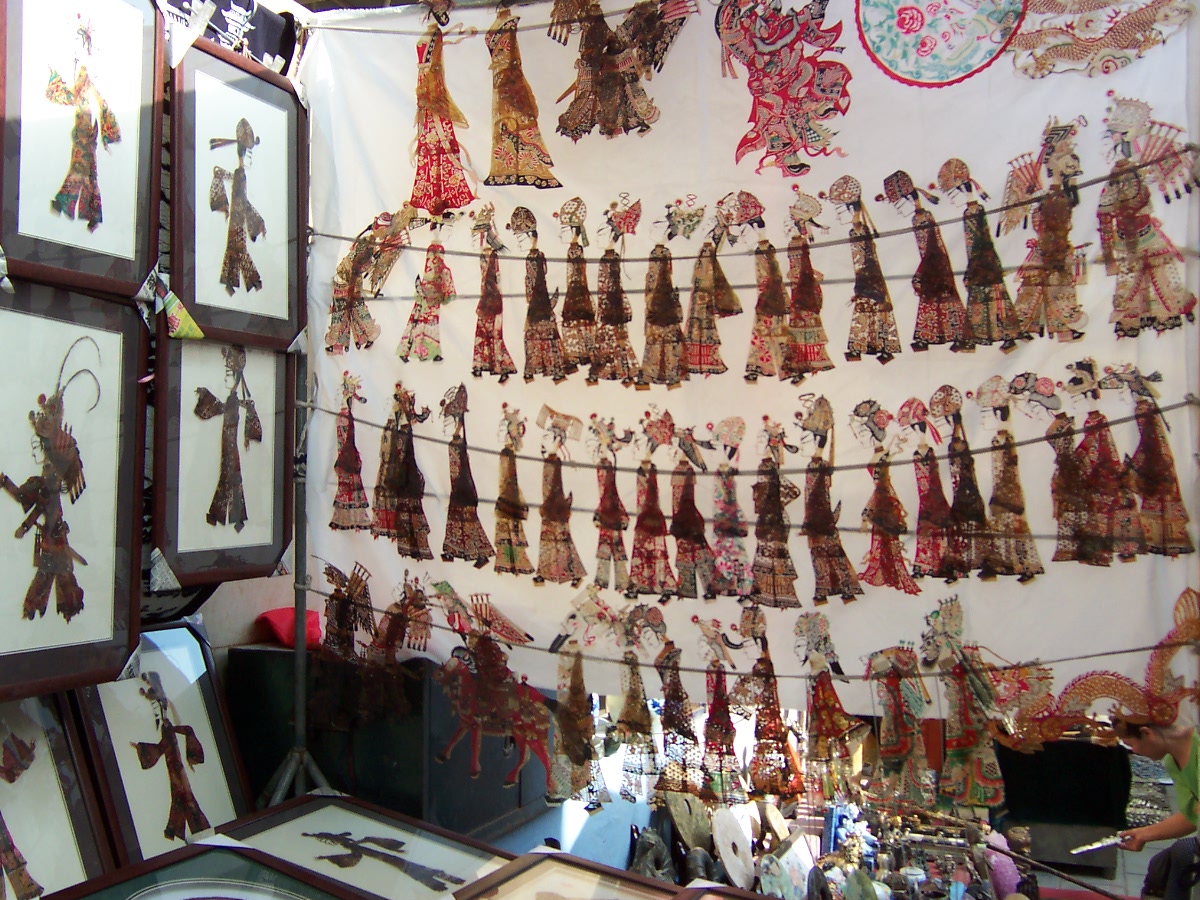
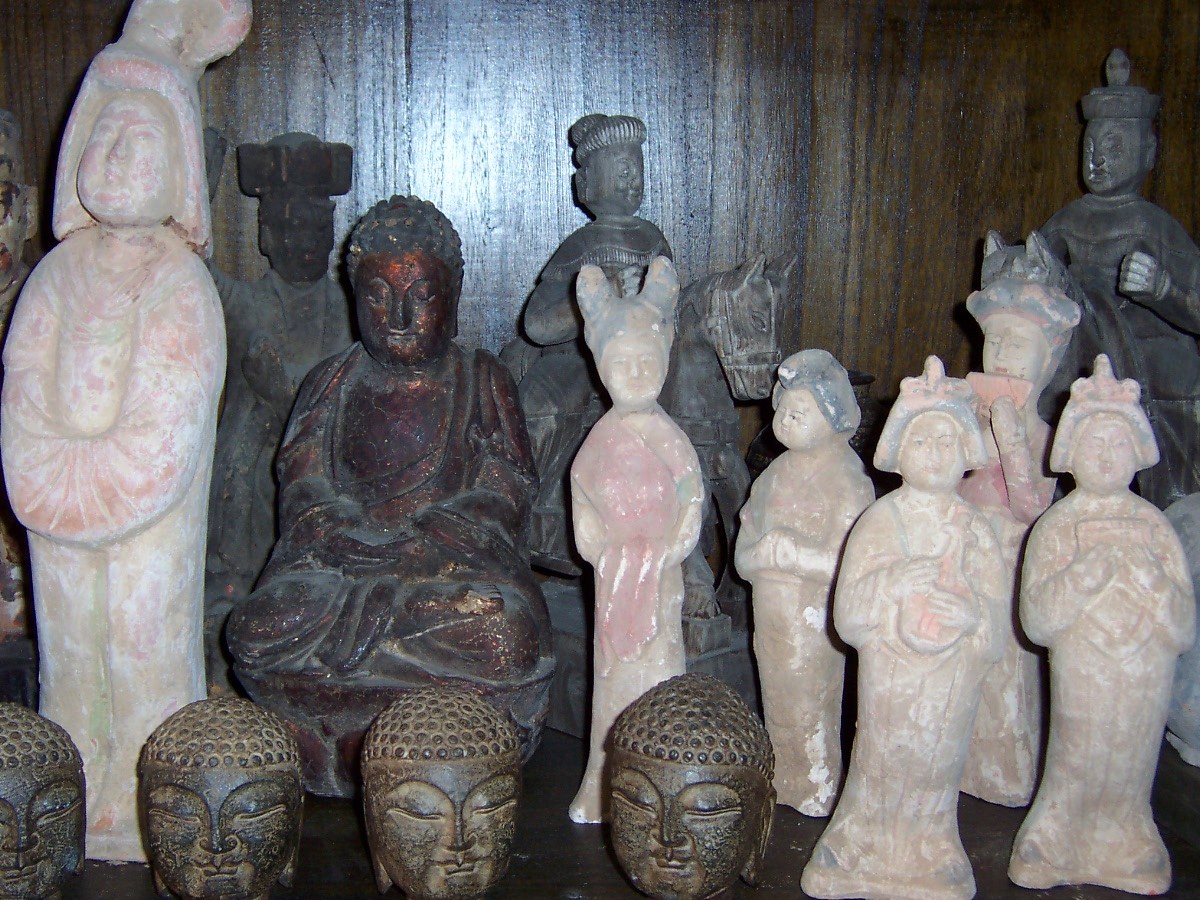

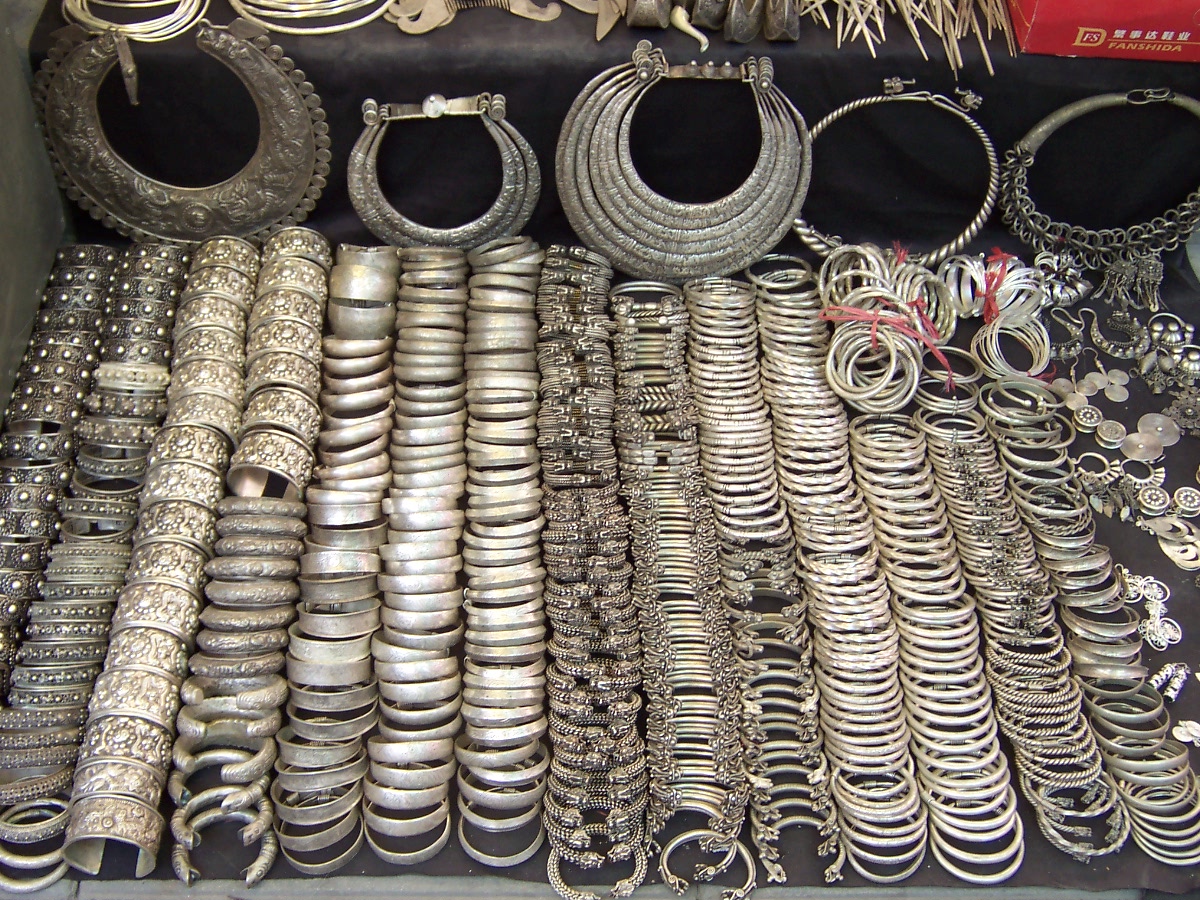
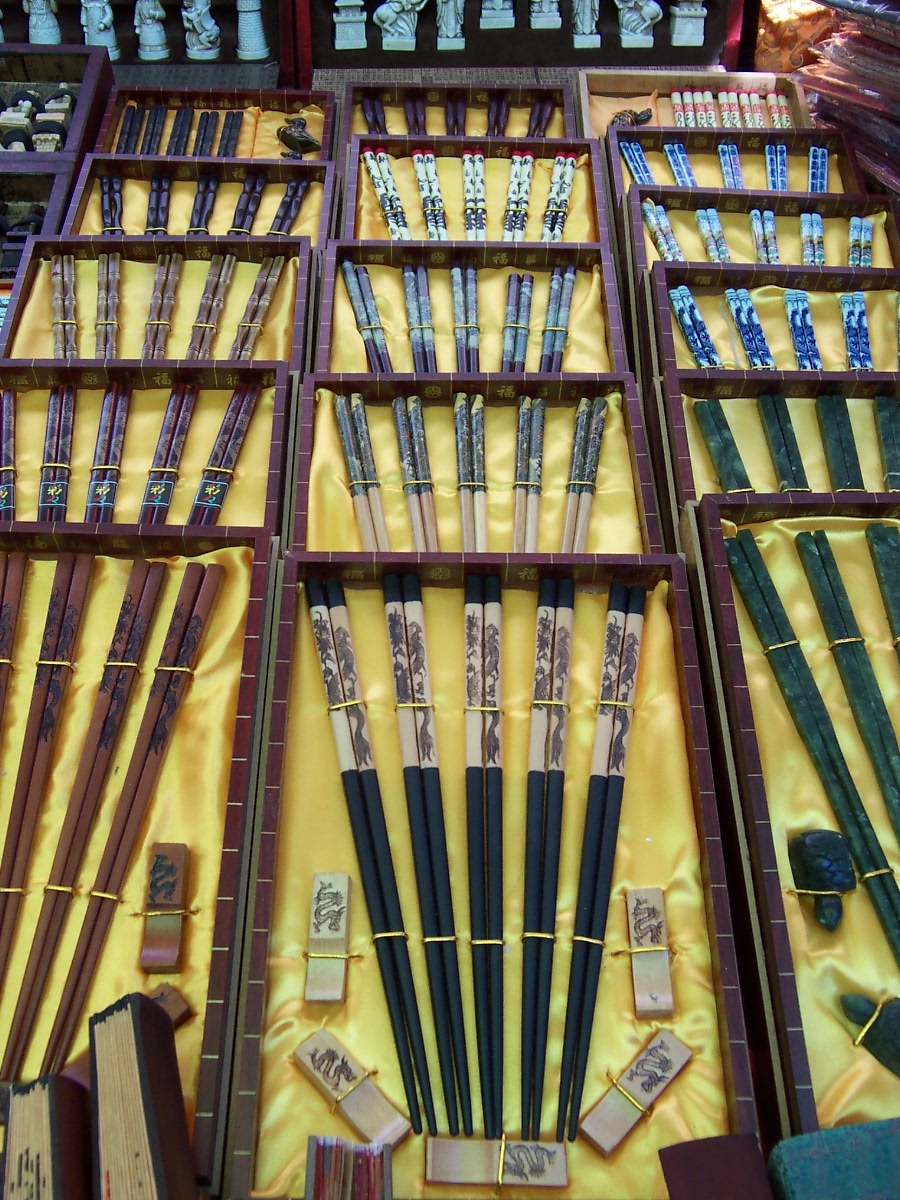
China in a Nutshell 1 - Antique Market, Beijing.
You will see some snapshots of the Antique Market Panjiayuan 潘家园 in Beijing. There are over 1000 stalls for Chinese arts and crafts. If you decide to buy something the best thing to do is negotiating the price at the low end.
Added On: 29 Aug 2012 08:53
Languages: English
Tags: Chinese culture, FAVOR, Chinese garden, Images





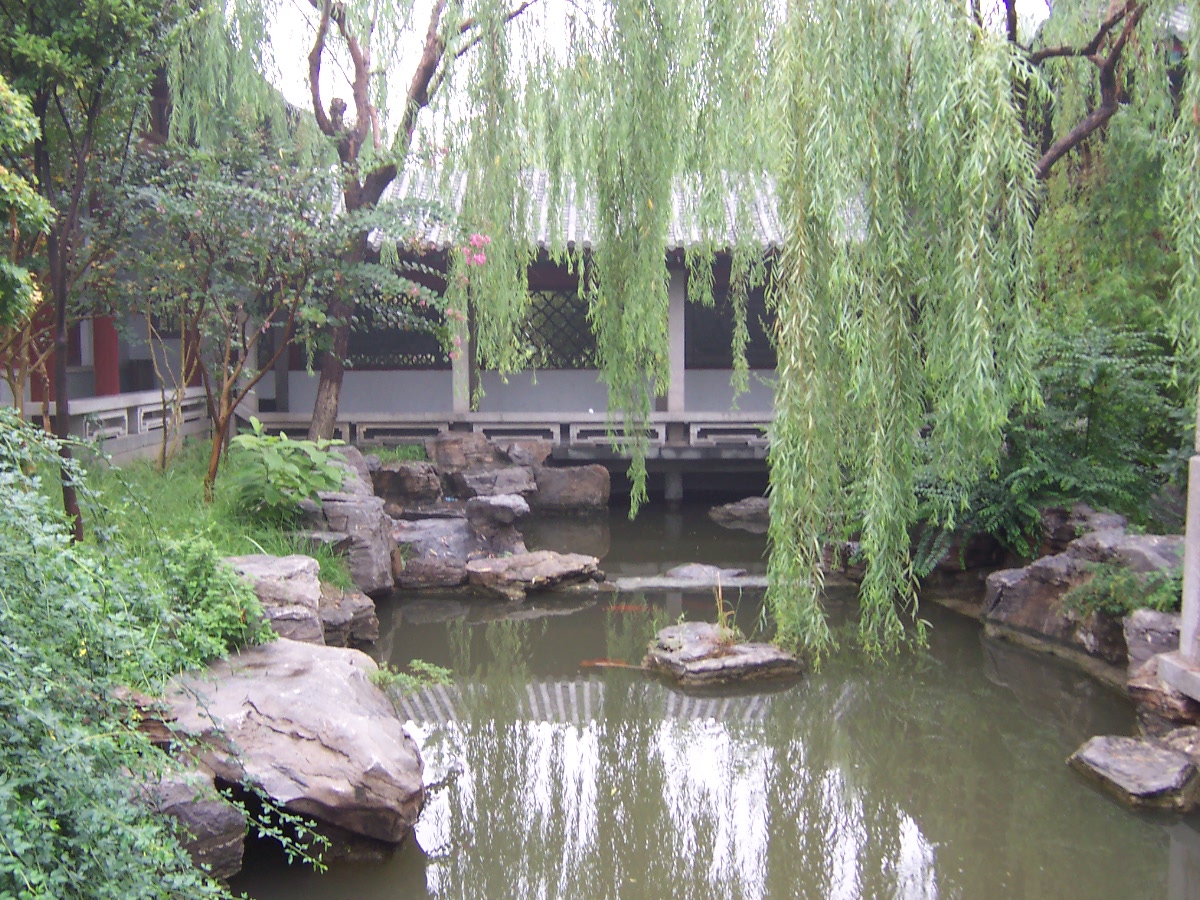
China in a Nutshell 2 - Spring Garden, Jinan.
You will see some snapshots of the spring garden Baotu quan 趵突泉 in Jinan. Baotu quan is one of the major attractions in Jinan. Three spring water outlets pour out from the underground limestone cave. The spring water is highly regarded as the symbol of the city.
Added On: 19 Sep 2012 16:43
Languages: English
Tags: Chinese culture, Historical residence, Tourist attraction, Xikou


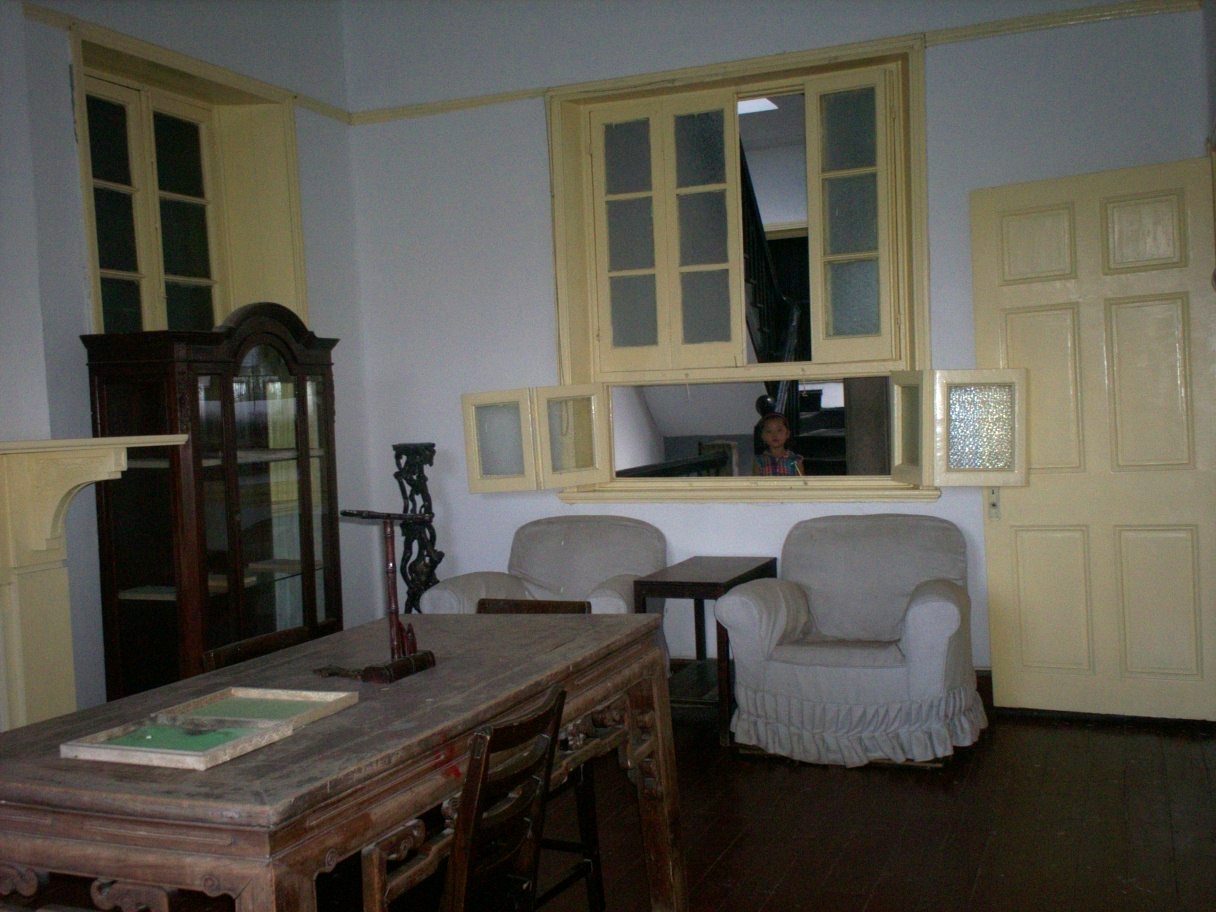



China in a Nutshell 3 - Historical village, Xikou.
You will see some snapshots of Xikou, a small town outside Ningbo, Zhejiang province. This town is well known for its old residences of Chiang Kai Shek, the leader of the Nationalist Party in 20th century China. The main tourist attractions include the Ancestral Hall, western-style villa, Yutai salt shop.
Added On: 26 Aug 2012 06:57
Languages: English
Tags: Mandarin Chinese, Pronunciation, FAVOR, Beginners, Pinyin
Difficult Sounds in Chinese j q x zh ch sh - Tips & Tricks.
Many learners of Chinese may find j q x zh ch sh r tricky to say. This document offers some tips on how to pronounce and differentiate these sounds in Chinese.
Added On: 26 Aug 2012 08:12
Languages: English, Mandarin Chinese
Tags: Chinese vocabulary, post beginners, FAVOR
Build up Chinese Vocabulary - post beginners' level.
This activity contains 13 commonly used Chinese characters/words having various meanings. Learners can work individually or in pair to use the words in different contexts, which helps to build vocabulary at post beginners' level.
Added On: 29 Aug 2012 08:16
Languages: English, Chinese
Tags: Chinese, Characters, FAVOR, Game
Chinese Bingo Game.
This game is modelled after the popular game 'Bingo'. Learners will hear randomly chosen characters and try to recognise each character in the grid. If a learner gets 5 boxes in a row (4 characters and Bingo) he/she has won.
Added On: 14 Aug 2012 03:25
Languages: Mandarin Chinese, English
Tags: FAVOR, Chinese grammar, beginner's, Vocabulary, Listening

Elementary Chinese Grammar and Vocabulary (Topics 1-8).
This learning material contains eight topics at elementary level including 1 Greetings, 2 Introduce Yourself, 3 Family, 4 Birthday, 5 Hobbies, 6 Treat Friends to a Drink, 7 Order Drinks/Food, 8 Getting around. Key grammar patterns and vocabulary are presented in Chinese and English in the Word documents. Audio recordings are available.
Added On: 14 Aug 2012 04:21
Languages: Mandarin Chinese, English
Tags: FAVOR, Chinese, beginner's, vocabulary, listening
Elementary Chinese Grammar and Vocabulary (Vocabulary List).
This learning material contains eight topics at elementary level. Key grammar patterns and vocabulary are presented in Chinese and English in the Word documents. Audio recordings are available. Vocabulary lists include 1 Nationalities and Countries, 2 Kinship terms, 3 Date and Time, 4 Hobbies and 5 Drinks and Food
Added On: 26 Aug 2012 07:24
Languages: Mandarin Chinese, English
Tags: Chinese grammar, Particle le, Resultative complements, FAVOR, Reading comprehension
Story Telling - Uses of Particle le and Resultative Complements in Chinese.
This activity - story telling - helps learners understand uses of particle le and resultative complements in Chinese. Learners can work on their own or in pair. Teachers/Tutors might use this activity to supplement materials on grammatical features of le and resultative complements.
M
Added On: 30 Jul 2012 15:04
Languages: English, Amharic
Tags: Favor, Amharic, Script, Fidal, Alphabets, Syllables
Traditional and Innovative ways of Teaching Amharic Alphabet.
Amharic is one of the few African languages that has its own indigenous script called Fidal. Teaching and learning the Fidal can be as daunting as it can be boring. In this article traditional and innovative ways of teaching the Fidal is considered.
Added On: 14 Mar 2012 21:29
Languages: French
Tags: Favor, Politique française, Elections présidentielles
Les elections presidentielles francaises (video version).
This is the video podcast of a lecture I gave (in French) on the French presidential elections of 2012.
Added On: 14 Mar 2012 20:55
Languages: French
Tags: Favor, politique française, élections présidentielles
Les elections presidentielles francaises de 2012.
This is the Powerpoint of a Sixth Form Lecture I gave for the Alliance francaise de Newcastle on 14 March 2012
Birthdays and Presents.
The text provides some examples of the Dative case in Serbian while the speaking exercises enable the students to put into practise different ways of using the Dative case in Serbian. 60 minutes of class time. Part of the Favor project.
Comparatives.
Students are given jumbled sentences and they need to put them in the correct order to make a coherent text. Then, they focus on the comparative forms in the text and compare them with a grammar section which provides them with an overview of comparatives and superlatives. As a final exercise, students talk to each other, trying to use some comparatives forms. 75 minutes of class time. Part of the Favor project
Customs and Traditions in Serbia.
Two reading texts with sets of questions to develop vocabulary and grammar and stimulate conversation in Serbian. Grammar exercise to focus on cases in Serbian and speaking activities to put these into practice. Aimed at B2 level students
Daily Routines.
Students have an opportunity to practise the accusative case by trying to arrange a day out. 45 minutes of class time. Part of the Favor Project
Family Relationships.
This is an exercise to help students with possessive adejectives. It personalises the learning process as it enables students to talk about their own family. 60 minutes of class time. Part of the Favor Project.
Instrumental Case.
This exercise enables the students to put into practice the Instrumental case. They work in groups of three and share information about their homes in order to find out who lives closest to their work. 60 minutes of class time. Part of the Favor project.
Jigsaw Reading - Discussing Problems.
Activities to help students develop reading and speaking skills. Students work in two different groups and read different texts. Once they have read their text, they regroup and tell someone from the other group what their text was about. They, then, discuss the problem/issue by using the target language, i.e. giving advice. This exercise is aimed at intermediate students. 60 minutes of class time. Part of Favor project.
Music and Music Festivals in Serbia.
A reading text about the Exit Festival in Novi Sad which focuses on vocabulary related to music. A set of questions enables the students to talk about music and music festivals in Serbia or Europe and to personalise the topic and engage in a conversation about music and music festivals. Aimed at B1 level students.
Past Tense.
Activities to practise the past tense in Serbian. Students are given twelve questions and have to talk to as many classmates as possible and find out about their past experiences. 45 minutes of class time. Part of the Favor project.
Personal Pronouns - Accusative.
A short text with comprehension questions, followed by a grammar overview of personal pronouns in the accusative case. A controlled practice exercise is provided, followed by a free(er) speaking practice. 60 minutes of class time. Part of the Favor Project
Reflexive Verbs.
A reading text with true/false questions, followed by a grammar overview of reflexive verbs. There is also a gap fill exercise, followed by a speaking task. 75 minutes of class time. Part of the Favor Project
Scientists and Inventions.
A reading text about Nikola Tesla which provides vocabulary related to biographies of famous people which can be used to talk about people in general. A vocabulary exercise provides character adjectives and provides controlled written practise. Aimed at B1 level students.
Serbian Cinema.
A reading text with a set of questions which focuses on vocabulary related to cinema. Questions are personalised by students in order to talk about Serbian and European cinema. Grammar exercises focus on common collocation and enable the students to practise forming questions and use these in conversation. Aimed at B1 level students.
Sport and Leisure Activities.
A text about a famous Serbian sportsman provides vocabulary related to sports and leisure. Students write questions to interview someone famous and then role play the interview. Aimed at B1 level students.
Where We Live.
The listening exercise focuses the students on the locative form. The gap fill serves as a controlled-practise activity which re-inforces the rules of the locative case while the role play provides a personalised speaking opportunity. 60 minutes of class time. Part of Favor Project.
Estonian alphabet and pronunciation.
Introduction to the Estonian alphabet, spelling, and pronunciation
Added On: 24 Jul 2012 22:55
Languages: Estonian
Tags: Estonian, FAVOR, phrases, vocabulary, ukoer
Finding out about Latvia.
Some basic facts about Latvia and its language, introducing some basic vocabulary
The UNESCO Atlas of the World's Languages in Danger.
Background information about the 3rd edition of the UNESCO Atlas of the World's Languages in Danger, in print and on-line formats, edited by Christopher Moseley
N
Added On: 20 Aug 2012 16:46
Languages: SPANISH
Tags: preterite, imperfecto, imperfect, contraste, contrast, past, ludic, A2, español, pasados, indefinido, pretérito, lúdico, favor
Added On: 18 Sep 2012 15:57
Languages: Spanish
Tags: ludic, español, a1, SPANISH, COMIDAS, BEBIDAS, FOOD, DRINK, CURIOSIDADES, FUN FACTS, SPANISH LOVE SONG, CANCIÓN DE AMOR EN ESPAÑOL, favor
CULTURA DE SUPERVIVENCIA EN ESPAÑOL.
A BIT OF CULTURE FOR THOSE WHO HAVE JUST STARTED STUDYING SPANISH
Added On: 20 Aug 2012 17:47
Languages: spanish
Tags: Beginners and Intermediate level (A1 and A2 level of the Common European Framework of Reference for Languages). Aimed at staff.Keywords: Spanish, imperative, advices, ludic, commands, instructions, A2, intermediate, español, imperativo, lúdico, consejos, órdenes, instrucciones, favor
Added On: 20 Aug 2012 17:18
Languages: spanish
Tags: ludic, a1, present, board game, true, false, verdadero, falso, presente, indicativo, indicative, juego de mesa, tres en raya, noughts and crosses, tópicos, esterotipos, stereotypes, favor
Added On: 20 Aug 2012 17:29
Languages: spanish
Tags: a2, b1, subjuntivo, deseos, verbos de sentimiento, hipótesis, avanzado, subjunctive, present, wishes, emotion verbs, hypotheses, advanced, favor
Added On: 20 Aug 2012 16:33
Languages: SPANISH
Tags: preterite, past, actions, ludic, A2, español, pasados, indefinido, pretérito, acciones, battleship, hundir la flota, historias entrecruzadas, intertwined stories, test de cultura general., favor
Added On: 20 Aug 2012 17:40
Languages: Catalan
Tags: catalan, català, beginners, principiants, a1, l'alfabet, lletrejar, signes de puntuació, dictat per carreres, les presentacions, la festa, alphabet, spelling, punctuation mark, running dictate, introduction, party, favor
Added On: 18 Sep 2012 16:09
Languages: Spanish
Tags: B1, ADVANCED, OPINION, AVANZADO, OPINIÓN, VALORACIÓN, JUEGO CIUDADANO/ASESINO, ISLA EÑE, TÓPICOS, favor
Added On: 20 Aug 2012 16:57
Languages: spanish
Tags: imperfect, past, ludic, A2, descripciones, descriptions, español, pasados, imperfecto, pretérito, antes, ahora, before, after, favor
Added On: 18 Sep 2012 16:04
Languages: SPANISH
Tags: A1, BEGINNERS, COLOURS, PROFESSIONS, GUESS WHO, PHYSICAL APPEARANCE, PRINCIPIANTES, COLORES, PROFESIONES, QUIÉN ES QUIÉN, DESCRIPCIÓN FÍSICA, favor
UN POCO DE VOCABULARIO - Spanish.
SPANISH VOCABULARY FOR BEGINNERS: PHYSICAL APPEARANCE, COLOURS AND PROFESSIONS
P
Communicate like Italians do: use your hands!
A series of ativities for students to reflect on a particular aspect of Italian language learning:hand gestures. Students will reflect and learn some useful techniques to be used to improve their level of cultural awareness related to the target language you are studying.
Added On: 25 May 2012 17:39
Languages: Italian, English
Tags: songs, italian, imperfect, past perfect
Improve your Italian with songs.
In these activities students will be listening to a song and complete various tasks to reflect on use of songs as a learning tool; they will also practise expressing opinions and will reflect on the use of different tenses to suggest emotions.
Language graduate as entrepreneur: is this your career option?
In these activities students will explore various entrepreneurial skills, reflect about their own skills and on how to enhance their career prospects in a highly competitive labour market.
Added On: 22 Apr 2012 13:01
Languages: Italian, English
Tags: foreign language news, politics
Notizie dal mondo in rete.
Activities for language students about finding written and audio material about foreign countries on politics, current affairs and economy using the internet and develop strategies to improve their listening skills.
R
S
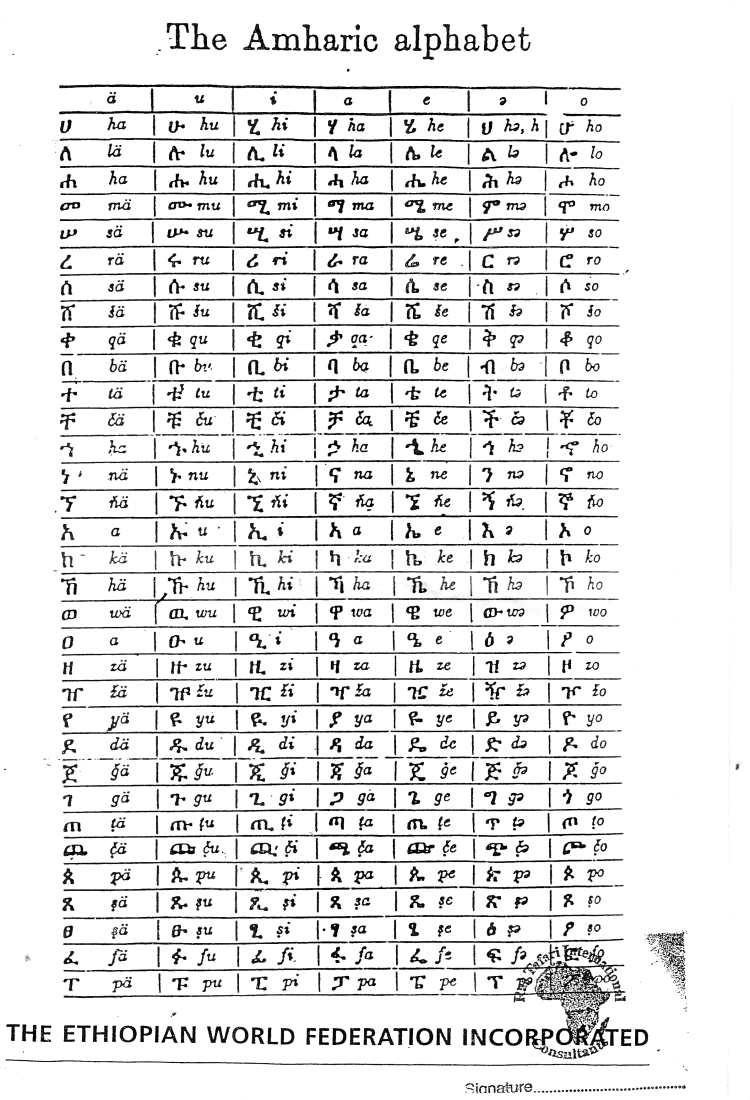
Amharic Fidels.
Chart of Amharic Fidels. In Amharic Fidels there are 33 consonants and 6 vowels. For people who sees them for the first time it might look complicated. It is real fun and it does makes sense once student are explained how it works. If you see how the first consonant is written the rest that follows horizontally are just extentions.
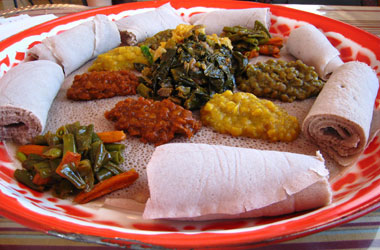
Ethiopian Traditional food.
This image shows the way Ethiopian food is presented. Most of the time the food is placed on a colourful circular tray. The small rolled pittas(look alike) around the plate are Ethiopian bread named Injera. Again, Injera itself is made like a very thin bread in a cirle form. Once the Injera is placed on the tray then different sauses are added around. This can be only vegetarian,vegan, meat or a mixture of all.
Greetings - basic Amharic.
One can learn the formal and informal greetings and also few personal pronouns for Amharic on this page.
Added On: 26 Jan 2012 17:31
Languages: German
Tags: FAVOR, UKOER, Christmas, Weihnachten, Hörverstehen, Listening, Pair work, Partnerarbeit
Christmas inspired listening and speaking exercise (German): Weihnachten bei den Hoppenstedts.
Listening and speaking exercise for intermediate to advanced learners of German (AS level and above); based on a 'youtube' videoclip by 'Loriot', which gives a humerous description of German christmas traditions; speaking exercise suitable for pair work
Added On: 13 Apr 2012 11:57
Languages: English
Tags: favor, ukoer, icebreaker, first lesson, speaking, German
Ice-breaker exercise (English language).
This is an exercise that might be useful in putting students at ease during their first lesson with a new teacher. Students have to talk to each other to find out information. While this particular exercise is in English, it would also work well if translated into any other language. This work is licensed under Creative Commons Attribution Non Commercial License http://creativecommons.org/licenses/by-nc/3.0/ Please attribute Livia Schanze when re-using.
Added On: 13 Apr 2012 12:34
Languages: German
Tags: favor, ukoer, German, speaking, discussion, newspaper, pair work, intermediate, advanced
Lieber freiwillig eine Ehrenrunde als Stress mit G8 - Textdiskussion eines Artikels aus der 'Frankfurter Rundschau' (German - intermediate/advanced).
This exercise is based on an article of the 'Frankfurter Rundschau' which is freely available on the internet (link provided in document). Reading the article/looking up unknown vocabulary can be given as homework, so that the class time can focus on the discussion itself. The questions should be used as prompts for discussion (first in pairs/followed by a class discussion). Depending on the confidence/ability of students, it might be helpful to give them 5-10 minutes to think about the questions and make some bullet points before starting the discussion.
Added On: 25 May 2012 14:07
Languages: German
Tags: FAVOR, German, UKOER, intermediate, Partnerarbeit, culture, listening
Listening comprehension: Die Wahrheit über Deutschland - Spießigkeit.
A listening comprehension task and answer sheet based on a Deutsche Welle podcast, which is available on youtube (see link on worksheet). The listening task is under 5 minutes long and suitable for (lower) intermediate learners of German (~AS level).
Added On: 13 Apr 2012 12:09
Languages: German
Tags: favor, ukoer, German, intermediate, speaking, research, culture, travel, group work
Reiseplanung (Intermediate German).
In this exercise students plan a short trip through Germany in small groups, which they then present to the other students in class. As such, it is very much a research and speaking exercise. It was written to be used with laptops/computers and internet access available during class time. However, the research part of the exercise could also be given as homework and it could then be used in a more traditional setup. This work is licensed under Creative Commons Attribution Non Commercial License http://creativecommons.org/licenses/by-nc/3.0/ Please attribute Livia Schanze when re-using.
Added On: 26 Jan 2012 17:20
Languages: German
Tags: FAVOR, UKOER, Pair work, Partnerarbeit, Speaking, Sprechen, personality traits, Personen beschreiben
Speaking exercise about personality traits (German): Kater Paul und Tassilo.
Pair work speaking exercise aimed at describing contrasting personalities; based on 10 pictures of a German newspaper comic strip (Strizz); can be expanded as a class discussion about stereotypes; suitable for intermediate to advanced learners (AS level and above)
Added On: 25 May 2012 14:17
Languages: German
Tags: UKOER, German, FAVOR, intermediate, Partnerarbeit, Pair work, culture, speaking, Personen beschreiben
Text comprehension and discussion: Türken pflanzen nur Bohnen (exercises and answer sheet) (Gisela Schalk).
These exercises (and answer sheet) are based on the short story 'Türken pflanzen immer nur Bohnen' by Gisela Schalk. The story is available in: Teichert et al. (2004). Allerlei zum Lesen, Houghton Hifflin. The short story as well as these exercises are suitable for (lower) intermediate students (~AS level). They would fit well into a unit on national stereotypes, character traits or a discussion on tolerance.
Added On: 13 Apr 2012 12:59
Languages: German
Tags: favor, ukoer, German, reading, pairwork, discussion, newspaper, magazine, intermediate, advanced
Textbearbeitung Zeitschriften (German - intermediate/advanced).
In this exercise students choose a German magazine/newspaper they would like to investigate. Either, the teacher can bring magazines/newspapers to choose from or students can use the internet to investigate online magazines/newspapers. The exercise begins with an individual reading/short writing exercise, then continues with pair work and ends with a general class discussion. This work is licensed under Creative Commons Attribution Non Commercial License http://creativecommons.org/licenses/by-nc/3.0 Please attribute Livia Schanze when re-using.
Added On: 21 Feb 2012 16:42
Languages: German
Tags: German, Vocabulary, FAVOR, Beginner, Test, UKOER
Vocabulary and Phrase test (Beginners German).
This is a Vocabulary and Phrase test, which should take around 15 - 20 minutes for students to complete. It is based on the words and phrases introduced in Unit 1 of the Studio D textbook. It includes an answer sheet.
Was kann ich während der Sommerferien machen, um mein Deutsch zu verbessern?
This is a brief compilation of some of the online resources, which may help students to maintain/improve their German during the (summer) holidays.
Added On: 13 Dec 2012 21:59
Languages: French, naughts, crosses
Tags: French, AS, A2, grammar, verbs
French Naughts and Crosses.
Interactive classroom Naughts and Crosses in French with subject pronouns.
Added On: 13 Dec 2012 22:01
Languages: German
Tags: german, as, a2, gcse, pronouns, grammar, verbs, tenses
Added On: 13 Dec 2012 22:07
Languages: Italian
Tags: Italian, GCSE, AS, A2, naughts, crosses, grammar, verbs
Added On: 13 Dec 2012 22:02
Languages: Spanish, Castillian
Tags: Spanish, A2, AS, GCSE, Verbs, Tenses, Grammar

Added On: 14 Jun 2012 13:03
Languages: English
Tags: undergraduate, UKOER, FAVOR, skills, A level, skills gap, transition, English, voiceover
Transition materials - from A- level to degree level (ENGLISH VOICEOVER).
This resource is a series of 6 modules designed to support students making the transition from A-level to degree level studies. Topics covered include Dictionary Skills, Analytical Reading and Writing an Academic Text. Each module is available in Spanish*, French, German and English. English language versions are also available with a voiceover recorded by undergraduates to help guide students through the resources. (*Modules 3 and 5 in Spanish coming soon). Students should first access the English language versions which provide an overview before moving to the foreign language versions for specific activities related to each language. With thanks to Angela Morris, Elisabeth Wielander, Céline Benoit and Jordina Sala-Branchadell who designed and collated the resources. Thanks also goes to our students Philippa Seymour, Fatemah Ackbar Sayed and Rachna Shah who recorded the voiceovers.
Added On: 14 Jun 2012 11:42
Languages: English
Tags: undergraduate, UKOER, FAVOR, skills, A level, skills gap, transition, English
Transition materials - moving from A-level to degree level (ENGLISH).
This resource is a series of 6 modules designed to support students making the transition from A-level to degree level studies. Topics covered include Dictionary Skills, Analytical Reading and Writing an Academic Text. Each module is available in Spanish*, French, German and English. English language versions are also available with a voiceover recorded by undergraduates to help guide students through the resources. (*Modules 3 and 5 in Spanish coming soon). Students should first access the English language versions which provide an overview before moving to the foreign language versions for specific activities related to each language. With thanks to Angela Morris, Elisabeth Wielander, Céline Benoit and Jordina Sala-Branchadell who designed and collated the resources. Thanks also goes to our students Philippa Seymour, Fatemah Ackbar Sayed and Rachna Shah who recorded the voiceovers.
Added On: 14 Jun 2012 11:43
Languages: French
Tags: UKOER, FAVOR, skills, skills gap, A level, undergraduate, French
Transition materials - moving from A-level to degree level (FRENCH).
This resource is a series of 6 modules designed to support students making the transition from A-level to degree level studies. Topics covered include Dictionary Skills, Analytical Reading and Writing an Academic Text. Each module is available in Spanish*, French, German and English. English language versions are also available with a voiceover recorded by undergraduates to help guide students through the resources. (*Modules 3 and 5 in Spanish coming soon). Students should first access the English language versions which provide an overview before moving to the foreign language versions for specific activities related to each language. With thanks to Angela Morris, Elisabeth Wielander, Céline Benoit and Jordina Sala-Branchadell who designed and collated the resources. Thanks also goes to our students Philippa Seymour, Fatemah Ackbar Sayed and Rachna Shah who recorded the voiceovers.
Added On: 14 Jun 2012 11:42
Languages: German
Tags: undergraduate, A level, skills, FAVOR, UKOER, transition, skills gap, German
Transition materials - moving from A-level to degree level (GERMAN).
This resource is a series of 6 modules designed to support students making the transition from A-level to degree level studies. Topics covered include Dictionary Skills, Analytical Reading and Writing an Academic Text. Each module is available in Spanish*, French, German and English. English language versions are also available with a voiceover recorded by undergraduates to help guide students through the resources. (*Modules 3 and 5 in Spanish coming soon). Students should first access the English language versions which provide an overview before moving to the foreign language versions for specific activities related to each language. With thanks to Angela Morris, Elisabeth Wielander, Céline Benoit and Jordina Sala-Branchadell who designed and collated the resources. Thanks also goes to our students Philippa Seymour, Fatemah Ackbar Sayed and Rachna Shah who recorded the voiceovers.
Added On: 14 Jun 2012 11:44
Languages: Spanish
Tags: UKOER, FAVOR, skills, undergraduate, A level, transition, Spanish
Transition materials - moving from A-level to degree level (SPANISH).
This resource is a series of 6 modules designed to support students making the transition from A-level to degree level studies. Topics covered include Dictionary Skills, Analytical Reading and Writing an Academic Text. Each module is available in Spanish, French, German and English. English language versions are also available with a voiceover recorded by undergraduates to help guide students through the resources. Students should first access the English language versions which provide an overview before moving to the foreign language versions for specific activities related to each language. With thanks to Angela Morris, Elisabeth Wielander, Céline Benoit and Jordina Sala-Branchadell who designed and collated the resources. Thanks also goes to our students Philippa Seymour, Fatemah Ackbar Sayed and Rachna Shah who recorded the voiceovers.
Added On: 14 Jun 2012 11:46
Languages: UNSPECIFIED
Tags: undergraduate, UKOER, FAVOR, skills, A level, skills gap, transition, English, voiceover, German, Spanish, French
Transition materials - moving from A-level to degree level.
This resource is a series of 6 modules designed to support students making the transition from A-level to degree level studies. Topics covered include Dictionary Skills, Analytical Reading and Writing an Academic Text. Each module is available in Spanish*, French, German and English. English language versions are also available with a voiceover recorded by undergraduates to help guide students through the resources. (*Modules 3 and 5 in Spanish coming soon). Students should first access the English language versions which provide an overview before moving to the foreign language versions for specific activities related to each language. With thanks to Angela Morris, Elisabeth Wielander, Céline Benoit and Jordina Sala-Branchadell who designed and collated the resources. Thanks also goes to our students Philippa Seymour, Fatemah Ackbar Sayed and Rachna Shah who recorded the voiceovers.
Added On: 09 Aug 2012 08:07
Languages: French, Any language
Tags: routes into languages, English, German, French, Spanish, mandarin, DIY guide, enrichment, language day

"How to..." guide - holding a Formula 1 themed day in school.
Thinking of holding a language event at school but don’t know where to start? We have created "How to..." guides from our most popular events to help you replicate them back in school. Each guide contains a full description of how to run the event including essential considerations, some sample programmes and task lists to give you an idea of what needs to be done and how to plan out the day. We also have some workshop ideas and resources which can be adapted for use with any language. You may find some the activities can be adapted to deliver during class time rather than as a formal event - please feel free to use these guides as you wish!
Added On: 09 Aug 2012 08:07
Languages: Any language
Tags: routes into languages, English, German, French, Spanish, mandarin, DIY guide, enrichment, language day, any language
"How to..." guide - holding a product design day in school.
Thinking of holding a language event at school but don’t know where to start? We have created "How to..." guides from our most popular events to help you replicate them back in school. Each guide contains a full description of how to run the event including essential considerations, some sample programmes and task lists to give you an idea of what needs to be done and how to plan out the day. We also have some workshop ideas and resources which can be adapted for use with any language. You may find some the activities can be adapted to deliver during class time rather than as a formal event - please feel free to use these guides as you wish!
Added On: 09 Aug 2012 08:08
Languages: English, German, French, Chinese
Tags: chinese, mandarin, routes into languages, German, French, "how to", DIY guide, language day, enrichment
"How to..." guide for organising a language day in school.
Thinking of holding a language event at school but don’t know where to start? We have created "How to..." guides from our most popular events to help you replicate them back in school. Each guide contains a full description of how to run the event including essential considerations, some sample programmes and task lists to give you an idea of what needs to be done and how to plan out the day. We also have some workshop ideas and resources which can be adapted for use with any language. You may find some the activities can be adapted to deliver during class time rather than as a formal event - please feel free to use them as you wish!
Added On: 09 Aug 2012 08:07
Languages: English, Spanish, French, German, Any language
Tags: routes into languages, French, German, Spanish, English, mandarin, how to, DIY guide, animation, workshop
"How to..." guide to holding an animation workshop in school.
Thinking of holding a language event at school but don’t know where to start? We have created "How to..." guides from our most popular events to help you replicate them back in school. Each guide contains a full description of how to run the event including essential considerations, some sample programmes and task lists to give you an idea of what needs to be done and how to plan out the day. We also have some workshop ideas and resources which can be adapted for use with any language. You may find some the activities can be adapted to deliver during class time rather than as a formal event - please feel free to use these guides as you wish!
Added On: 09 Aug 2012 08:19
Languages: French, Spanish, German
Tags: routes into languages, A level, skills, German, French, Spanish, listening, transcription, native speaker, recording
A-level listening exercises.
Working with colleagues at The Sixth Form College, Solihull and Foreign Language Assistants based in the West Midlands we have produced these recordings related to the A-level curriculum. The recordings are natural unscripted dialogues between natives and are transcribed. The FLAs also produced gap fill activities and question exercises to accompany the recordings.
Added On: 09 Aug 2012 08:33
Languages: Any language
Tags: routes into languages, French, German, Spanish, DIY guide, enrichment, sport, cross curriculum
Active Languages - project booklet and resources.
This booklet contains detailed case studies of six West Midlands schools who were awarded funding to pilot projects combining sports and languages in the curriculum. The schools involved have worked hard to turn their plans into reality and to raise the profile of languages by encouraging pupils to use languages in new contexts, giving them a new purpose and meaning. Their commitment and dedication has resulted in creative and interesting projects which have produced amazing results they are keen to share. The schools have provided information on the reasons for developing their projects, how they went about it and the amazing outcomes. Each school has been able to imbed their Active Languages project into the curriculum with plans to develop further and include other subjects in coming years. If you are looking for new ways to motivate learners, we hope you will find inspiration, resources and support to get started in this booklet. You can download the pdf here or contact us at routes@aston.ac.uk to request hard copies.
Added On: 09 Aug 2012 07:51
Languages: English
Tags: undergraduate, A level, skills, options, University, routes into languages, HE
Opportunities for Language Learning - a guide for students and parents.
The booklet contains an outline of the different options givinging specific examples and illustrative case studies. The Teachers' Notes which accompany the booklet give some ideas about how to use this resource to help communicate the message to Sixth Form students in the process of making their future study choices. You can download the pdf here or contact us at routes@aston.ac.uk to request hard copies.
Added On: 09 Aug 2012 08:36
Languages: Any language
Tags: routes into languages, French, German, Spanish, English, enrichment, options, drama
Speak! A drama about languages.
Speak! is a 15-minute film with 14 follow up episodes featuring pupils who dropped languages after GCSE but now have the chance to win a summer work placement abroad. The short episodes can be shown during lessons or watched at home and each one has additional resources including lesson plans, vocabulary and ideas devised by teachers.
Added On: 02 Aug 2012 13:41
Languages: English
Tags: routes into languages, HE, A-level, University, options
Studying languages in Higher Education - what are the options?
This is a recording of a presentation delivered at a Sixth Form conference in March 2012. The presentation focuses on the key pathways for continuing (and starting!) language study at university.
Added On: 09 Aug 2012 08:09
Languages: UNSPECIFIED
Tags: routes into languages, German, French, Spanish, mandarin, DIY guide, language day, enrichment
"How to..." guides to help teachers plan and hold themed language enrichment days in school.
Thinking of holding a language event at school but don’t know where to start? We have created "How to..." guides from our most popular events to help you replicate them back in school. Each guide contains a full description of how to run the event including essential considerations, some sample programmes and task lists to give you an idea of what needs to be done and how to plan out the day. We also have some workshop ideas and resources which can be adapted for use with any language. You may find some the activities can be adapted to deliver during class time rather than as a formal event - please feel free to use these guides as you wish!
Added On: 09 Aug 2012 07:52
Languages: UNSPECIFIED
Tags: undergraduate, skills, A level, routes into languages, University, options
T
Added On: 14 Sep 2012 18:09
Languages: Hungarian
Tags: Hungarian, Hungary, taster, introduction, introduction to language learning, modern languages, FAVOR, language taster, transition material, UK OER
A taste of Hungarian.
This material is a taster of not only Hungarian but language learning in general. It can be used with students considering to start learning a new language, especially Hungarian. It takes about 60 minutes to complete in a small group setting (up to 5 people) and 90 minutes in a larger class.
Added On: 27 Mar 2012 14:31
Languages: Hungarian
Tags: Accusative, Hungarian, Items of clothing, Types of books and publications, Body parts, FAVOR, Hungary, UK OER
Accusative: buying clothes and books.
The dialogues which serve as a basis of the exercises on these handouts will help students to go shopping independently in bookstores and clothes shops. While the knowledge of the form and function of the accusative is consolidated, the students' vocabulary improves to include parts of the body, items of clothing, and types of books and publications.
Added On: 27 Mar 2012 14:27
Languages: Hungarian
Tags: Hungarian, Accusative, Shopping, FAVOR, Hungary, UK OER
Accusative: practising form and function.
With the help of these exercises students can consolidate their knowledge of the form of the accusative, and improve their understanding of the function of this suffix. The dialogue helps students to acquire communicative skills.
Added On: 27 Mar 2012 13:55
Languages: Hungarian
Tags: Hungarian, FAVOR, Adjectives, Hungary, UK OER, Negation, Equational and Existential Sentences
Adjectives: an Introduction.
This material allows students to acquire vocabulary which comes handy when describing oneself or others, and talking about how we feel. The use of 'is' and 'nem' is also illustrated here. This handout can be used together with the two others on Equational and Existential sentences; in the teaching of the verb 'van'.
Added On: 12 Mar 2012 16:31
Languages: Hungarian
Tags: FAVOR, Hungarian, Plural, Equative Sentences, Jobs, Nationalities, Objects and Commands in the Classroom, Hungary, UK OER
Basic introductions and language to work with in the classroom.
This handout contains dialogue patters for basic introductions, talking about jobs, nationalities, and language skills. It also teaches vocabulary related to the classroom environment, while the main grammar points are to introduce some plural forms and differenciate between equative and existential sentences.
Added On: 13 Nov 2012 15:04
Languages: Hungarian
Tags: Hungarian, FAVOR, UK OER, pronunciation, Hungary, Bőrönd Ödön
Bőrönd Ödön: some practice in lip rounding.
The poem Bőrönd Ödön by Tamkó Sirató Károly is read by Rita Seregélyi. This is particularly good practice for front rounded vowels and all consonants at beginner level.
Added On: 12 Jun 2012 17:49
Languages: Hungarian
Tags: FAVOR, UK OER, Hungary, Hungarian, Gap-fill Exercises, Case Suffixes, Practice Cases
Case suffixes: practice exercises for lower intermediate groups.
This material contains five exercises for intermediate learners of Hungarian. It tests, or helps students practice, a thorough understanding of a variety of case suffixes through gap-fill exercises.
Added On: 12 Jun 2012 17:58
Languages: Hungarian
Tags: FAVOR, UK OER, Hungarian, Hungary, Conversation, Questions, Beginners, Spelling
Conversation questions and spelling exercises for beginners.
This material can be used after roughly 40 contact hours to generate conversation in class, to help students practice spelling, or to test their understanding of a variety of questions.
Added On: 27 Mar 2012 14:23
Languages: Hungarian
Tags: FAVOR, UK OER, Hungary, Hungarian, Time Expressions, Days, Months, Culture, Translation
Days of the week and months -- and cultural oddities.
This material will help you to learn days of the week and months, and other useful time expressions. It it will also unveil a geeky little detail about the cultural historical background of these words.
Added On: 14 Sep 2012 18:52
Languages: Hungarian
Tags: Hungarian, Hungary, FAVOR, UK OER, István Örkény, Tilos, One Minute Stories, Egyperces novellák
Do not step on the grass_sound recording.
This recording of István Örkény's one-minute story 'Fűre lépni tilos' can be used with the material entitled Why study Hungarian_Part 1. Read by Attila Veress.
Added On: 27 Mar 2012 14:18
Languages: Hungarian
Tags: FAVOR, Test, Lower Intermediate, Hungarian, Error Correction, UK OER, Hungary
Error correction test -- Lower Intermediate.
This error correction test will be helpful if students want to check their progress after about 60 taught hours of Hungarian.
Added On: 27 Mar 2012 14:16
Languages: Hungarian
Tags: FAVOR, Test, Beginners, Hungarian, Error Correction, Hungary, UK OER
Error correction test for beginners.
To check how you are getting on after about 12 taught hours of Hungarian.
Added On: 12 Jun 2012 17:50
Languages: Hungarian
Tags: FAVOR, UK OER, Hungary, Hungarian, Gap-fill, Multiple choice, Sentence generator, Beginner, Practice exercises
Exercise sheet for beginners_15 to 20 contact hourse.
This material will help students consolidate their vocabulary and grammar after they have participated in 20 contact hours. There is a variety of exercises, including multiple choice, gap-fill, and sentence generator.
Added On: 12 Jun 2012 18:02
Languages: Hungarian
Tags: FAVOR, UK OER, Hungary, Hungarian, Expressions of time, Time Expressions, Numbers, Ordinal Numbers, Cardinal Numbers, Telling the Time, Lower Intermediate
Expressions of time.
This material can be used with lower intermediate classes, once all the local case suffixes and most other suffixes have been encountered. A two-page work sheet shows how these suffixes are used in time expressions, it expands on the knowledge of numbers, and it also gives an opportunity to check the understanding of this area.
Added On: 27 Mar 2012 14:07
Languages: Hungarian
Tags: FAVOR, Hungarian, Equational and Existential Sentences, Adjectives, Describing Oneself, Hungary, UK OER
How are you? Describing how we feel.
This handout helps to put in practice what has been learnt about the use of 'van' and 'vannak'. Students can practise these short dialogues in pairs or in groups, using the adjectives that they previously learnt.
Added On: 14 Sep 2012 18:44
Languages: Hungarian
Tags: FAVOR, UK OER, transition material, MÁSKÉPPMINTMÁSOK, Hungarian: the magic mushroom, Hungarian
Hungarian: the magic mushroom_video recording.
This video is one of the recordings to be used with the handout titled Why study Hungarian_Part 1. This recording was created and uploaded on YouTube by Másképpmintmások. The students participating were students of Hungarian at the time at UCL/SSEES.
Added On: 13 Nov 2012 15:44
Languages: Hungarian
Tags: Hungary, Hungarian, FAVOR, UK OER, Introductions, Introducing yourself, Listening practice
Introduce yourself!
Listen to the introductions and make notes on the following: the people's name, occupation, nationality, where they are based, etc. Try to collect as many pieces of information about them as you can. Then try to introduce them to someone else. You can check your solution from the audio material posted under the title "Introducing people to each other". Teachers can expand on these introductions by prompting the students to provide more information about themselves. This recording can also be used together with the handouts entitled "Basic Introductions and Language to Work with in the Classroom" and "Adjectives: an Introduction".
Added On: 13 Nov 2012 16:02
Languages: Hungarian
Tags: Hungary, Hungarian, Introductions, Listening Practice, Beginners, Favor, UK OER
Introducing people to each other.
Check your introductions of the two speakers, which you based on the recordings entitled 'Introduce yourself!" by listening to this recording. Teachers can expand on these introductions by prompting the students to provide more information about themselves. This recording can also be used together with the handouts entitled "Basic Introductions and Language to Work with in the Classroom" and "Adjectives: an Introduction".
Added On: 27 Mar 2012 14:45
Languages: Hungarian
Tags: Hungarian, Reading the news, FAVOR, Writing practice, Upper intermediate, UK OER, Hungary
Kacsa-e...? A Hungarian Hoax.
Kacsa-e az álhír? is a reading comprehension exercise for upper intermediate learners. Students are encouraged to write a similar item of news to the one they have read.
Added On: 17 Sep 2012 16:57
Languages: Hungarian, Less-widely taught languages
Tags: FAVOR, UK OER, Hungary, Hungarian, languages, opportunities, opportunities with languages, lesser-taught languages, careers with languages, skills and language education, additional skills, general skills
Language education at university: what will you gain?
This material is recommended for students in transition from university (where they studied for a degree in modern languages) to the world of job seekers. It gives ideas about potential career paths and especially the skills gained beyond language skills while studying for a degree in modern languages. It can be used by language teachers advising their students but also by the students independently or by personal tutors. When discussing this material with regards to a particular language, it takes roughly 60 minutes to work through it with a small group of students.
Added On: 27 Mar 2012 14:40
Languages: Hungarian
Tags: Hungarian, FAVOR, Hungary, UK OER, Postpositions, City Centre, Travelling
Postpositions: in the city centre.
This handout allows students to expand their vocabulary and learn to describe a city centre and their favourite place or town. It is also suitable for summary and revision material on local cases and especially postpositions.
Added On: 19 Sep 2012 16:14
Languages: Hungarian
Tags: Hungarian, Hungary, UK OER, FAVOR, one-minute stories, egyperces novellák, István Örkény, translation, translating Hungarian, English-Hungarian translation
Prestige_English translation.
This is an English translation of the one-minute story 'Prestige', which was adapted from the original by István Örkény. The Hungarian and English texts can be used on their own or with the material entitled 'Why study Hungarian?', especially part 2.
Added On: 19 Sep 2012 16:10
Languages: Hungarian
Tags: Hungarian, Hungary, FAVOR, UK OER, István Örkény, one-minute stories, egyperces novellák, ananász, pineapple, prestige, reading, translation, reading Hungarian
Prestige_Hungarian text.
This one-minute story was adapted from the original by István Örkény. It can be used on its own, with its English translation, and with the material entitled 'Why study Hungarian?', especially part 2.
Added On: 13 Nov 2012 15:22
Languages: Hungarian
Tags: Pronunciation, Minimal Pairs, Hungary, Hungarian, Concise Introduction to Hungarian, FAVOR, UK OER
Pronunciation and Reading Practice 1.
This list of minimal pairs, read by Rita Seregélyi and Attila Veress, is taken from the course book Concise Introduction to Hungarian by Peter Sherwood. These minimal pairs provide excellent practice in all vowels and consonants of Hungarian, and especially vowel and consonant length. It contrasts discrete examples for both. The teacher can use it as a starting point for a gap-fill spelling exercise (e.g. students have to fill in the vowels in words, or long v. short consonants) but they can just simply play the recording while students repeat the words. Students can also be asked to write down the words before they are given the list.
Added On: 13 Nov 2012 15:35
Languages: Hungarian
Tags: Hungary, Hungarian, FAVOR, UK OER, Pronunciation, Minimal Pairs, Concise Introduction to Hungarian
Pronunciation and Reading Practice 2.
This list of minimal pairs, read by Rita Seregélyi and Attila Veress, is taken from the course book Concise Introduction to Hungarian by Peter Sherwood. These minimal pairs provide excellent practice in all vowels and consonants of Hungarian, and especially vowel and consonant length. It contrasts discrete examples for both. The teacher can use it as a starting point for a gap-fill spelling exercise (e.g. students have to fill in the vowels in words, or long v. short consonants) but they can just simply play the recording while students repeat the words. Students can also be asked to write down the words before they are given the list.
Added On: 12 Jun 2012 17:55
Languages: Hungarian
Tags: FAVOR, UK OER, Hungary, Hungarian, Possessive, Dative, Belonging, 'Habeo' construction, 'Have' construction, Having in Hungarian
The dative, possessive suffixes, and how to say 'have'.
This handout is a short list of examples of the use of the possessive suffixes in the singular, the dative case suffix in possessive construction, and the 'have' construction.
Added On: 27 Mar 2012 14:36
Languages: Hungarian
Tags: Definite Conjugation, Attila József, Miklós Radnóti, FAVOR, Hungarian, Hungary, Poetry, Reading Hungarian, UK OER
The definite conjugation; First poetry readings.
This material is best used as a follow-up after the completion of the exercises and conversation practice centred on the accusative. Students will have a chance to gain further practice in the definite conjugation -- form and function. The last two pages offer two short poetry readings by two of Hungary's most prominent mid-twentieth century poets. This material can be introduced after approximately 30 taught hours.
Added On: 12 Jun 2012 17:51
Languages: Hungarian
Tags: FAVOR, UK OER, Hungary, Hungarian, Demonstrative Pronouns, EZ and AZ, Demonstrative Pronouns and the Cases, Case Suffixes, Items of clothing
The demonstrative pronouns ez and az and the cases.
This material shows a table of the demonstrative pronouns and the assimilation patterns in the case-suffixed forms. It also gives many examples and exercises. It is suitable, although challenging, for beginners.
Added On: 12 Mar 2012 16:44
Languages: Hungarian
Tags: FAVOR, Hungarian, Plural, Hungary, UK OER, Suffixation, Linking Vowel
The plural in Hungarian.
This is a table showing the main ways of forming the plural of nouns. It can be used with beginners on Hungarian courses. Form and function are explained and a few exercises are given at the end.
Added On: 27 Mar 2012 14:02
Languages: Hungarian
Tags: Favor, Hungarian, Equational and Existential Sentences, Hungary, UK OER, Van vagy nincs VAN?
To use or not to use 'van'?
The exercises presented here contribute grammar to the teaching of adjectives. You can practice when to use 'van' and 'vannak' (the 3SG and 3PL form of the verb) in existential sentences. You will also learn to identify equational sentences.
Added On: 13 Nov 2012 15:09
Languages: Hungarian
Tags: Hungarian, Hungary, FAVOR, UK OER, tongue twisters, nyelvtörők, pronunciation
Tongue Twisters in Hungarian.
This is a set of popular tongue twisters in Hungarian to practise reading and pronunciation. They are read by Rita Seregélyi and Attila Veress.
Added On: 13 Nov 2012 15:13
Languages: Hungarian
Tags: Hungarian, Hungary, pronunciation, alphabet, vowel harmony, FAVOR, UK OER
Vowel harmony and pronunciation practice.
The words are read by Rita Seregély. Teachers can ask students to try to write them down or repeat them after the recording, while determining the vowel harmony class of the words in question. Suitable for beginners.
Added On: 14 Sep 2012 18:21
Languages: Hungarian
Tags: Hungarian, Hungary, FAVOR, taster, language taster, language taster in Hungarian, interview with students of Hungarian, introduction to learning Hungarian, introduction to the structure of Hungarian, introduction to the Hungarian lexicon, derivation in Hungarian, UK OER
Why study Hungarian_Part 1.
This work sheet is divided into two parts. Before starting to work on either of them, students should listen to the following video recording, in which two students explain why they decided to learn Hungarian at university and what their understanding of the language is like. http://www.youtube.com/watch?v=cHYR7vLVUmY This material was designed for those thinking of starting to learn a modern language or Hungarian, and/or students in transition from beginner to lower intermediate level.
Added On: 17 Sep 2012 16:04
Languages: Hungarian
Tags: Hungarian, Hungary, István Örkény, translation, reading in a new language, reading, English-Hungarian translation, recording, listening, listening practice, one-minute stories, egyperces novellák, ananász, pineapple, ukoer, favor
Why study Hungarian_Part 2.
WHY STUDY HUNGARIAN? AN INTRODUCTION TO LANGUAGE AND CULTURE FOR BEGINNERS AND MORE ADVANCED LEARNERS This work sheet is divided into four different levels and four parts. Before starting to work on either of them, learners should listen to the following video recording, in which two students explain why they decided to learn Hungarian at university and what their understanding of the language is like. http://www.youtube.com/watch?v=cHYR7vLVUmY The other key source for this work sheet is a short story by István Örkény by whom one of the students in the video recording reads a short prose piece Fűre lépni tilos ‘It is forbidden to step on the grass’. If you want to study this piece, you can go to the Language Box material ‘Why study Hungarian_Part 1’. Students can find the new text and its English translation, as well as two different (a slower and a faster) audio recordings of the text on Language Box under the link to materials entitled ‘Why Hungarian_Prestige’ (slow and fast readings).
Added On: 17 Sep 2012 16:23
Languages: Hungarian
Tags: Hungary, Hungarian, UK OER, FAVOR, writing, writing skills, developing writing skills, planning a visit to Budapest, István Örkény, biography, CV, writing a CV, Budapest
Why study Hungarian_Part 3.
This work sheet is divided into two parts, focusing on transition to developing writing skills in two different ways in Hungarian. Before starting to work on either of them, learners should listen to the following video recording, in which two students explain why they decided to learn Hungarian at university and what their understanding of the language is like. http://www.youtube.com/watch?v=cHYR7vLVUmY Below, you will learn more about the writer István Örkény, by whom one of the students in the video recording reads a short prose piece Fűre lépni tilos ‘It is forbidden to step on the grass’. If you want to study this piece, you can go to the Language Box material ‘Why study Hungarian_Part 1’. In 'Why study Hungarian_Part 2' you can study the short story 'Prestige' by the same writer.
Added On: 17 Sep 2012 16:13
Languages: Hungarian
Tags: Hungary, Hungarian, UK OER, FAVOR, one-minute stories, egyperces novellák, István Örkény, listening practice, listening, audio recording, recording, pineapple, ananász
Why study Hungarian_Prestige_fast recording.
This recording of 'Prestige', a one-minute story by István Örkény, can be used on its own or together with the slower recording (see the previous upload for Hungarian). It was created to complement the materials posted under Why study Hungarian_Part 2 but it can be used independently.
Added On: 17 Sep 2012 16:09
Languages: Hungarian
Tags: Hungary, Hungarian, UK OER, FAVOR, Örkény István, one-minute stories, egyperces novellák, recording, audio recording, listening practice, listening, pineapple, ananász
Why study Hungarian_Prestige_slow recording.
This recording of 'Prestige', a one-minute story by István Örkény, can be used on its own or together with the faster recording (see the next upload for Hungarian). It was created to complement the materials posted under Why study Hungarian_Part 2 but it can be used independently.
Added On: 17 Sep 2012 16:28
Languages: Hungarian, Finnish
Tags: Hungarian, Hungary, FAVOR, UK OER, reading skills, inductive and deductive methods, teaching reading, skill, method, inductive, deductive
Exploring Inductive and Deductive Methods in Teaching Reading.
This material is based on a presentation co-authored with Riitta-Liisa Valijärvi for the conference 'Sustaining a Global Society: Languages of the Wider World', held at the School for Oriental and African Studies on 29 and 30 March 2012.
Added On: 17 Sep 2012 16:34
Languages: Hungarian, Finnish, English
Tags: Hungary, Hungarian, UK OER, FAVOR, translation, translation studies, Google Translate, English-Hungarian translation
Translating Google Translate to the Language Classroom: Pitfalls and Possibilities.
This material is based on a presentation co-authored with Riitta-Liisa Valijärvi for the conference 'Language Futures: Languages in Higher Education Conference 2012' held in Edinburgh on 5 and 6 July 2012.
V
"You have to", Finnish oral prompts.
Give advice to a friend in Finnish using the sinun taytyy 'you have to' construction. Contains 21 situations that can be used in class to stimulate conversation and consolidate learning. The exercise is suitable for levels A2 and B1. It is a good idea to let the students prepare answers to the questions at home before class. (FAVOR project.)
An interview with Christina, a former student of Finnish.
A Skype interview with Christina who studied Classics and Finnish at UCL. Christina graduated in 2011. In the interview, Christina talks about her current job, her studies, her experience of Finland and how it is to study Finnish at university as a heritage speaker. The interview is useful for students attending tasters, prospective students and new students. The interview is conducted in English.
An interview with Claire, a former student of Finnish.
A Skype interview with Claire, who studied Scandinavian Studies, Swedish and Finnish at UCL. Claire graduated in 2011 and she is currently doing an internship at the Finnish Literature Exchange in Helsinki. In the interview, Claire talks about her degree, the internship, Finland and Finns. Claire also shares her experience of learning Finnish and Swedish. The interview is useful for students attending tasters, prospective students and new students. The interview is conducted in English.
An interview with Francesca, a former student of Finnish.
An interview with Francesca who studied Finnish and French at UCL. Fran graduated in 2011 and did an internship at fashion magazine Wonderland where she now works. In the interview, Fran talks about her work, her degree, her language skills and what she likes about Finland. The interview is useful for prospective students, students attending tasters and new students.
An interview with Leon, a student of Finnish.
An interview with Leon who has been studying Finnish for 6-7 years in the evening course programme at the University of Westminster. In the interview, Leon tells about his studies, why he likes Finland and how dyslexia affects his learning. The interview is useful for prospective students, new students and students with dyslexia.
An interview with Marie, a former student of Finnish.
A short phone interview with Marie, a former student of Finnish. Marie just finished a four-year BA degree in Finnish and East European Studies at the School of Slavonic and East European Studies, University College London. In the interview Marie tells us about her degree, why she likes Finland and how she learns languages. The interview is useful for prospective or new students of Finnish. The interview is conducted in English.
Art and culture, Finnish conversation questions.
20 questions about art and culture in Finnish to inspire and stimulate conversation. The questions are suitable intermediate learners. It is a good idea to give the questions to the students in advance and let them look up words and prepare answers to the questions at home. (FAVOR project.)
Conditional, Finnish conversation questions.
20 questions in Finnish to practice the conditional mood. The questions are suitable A2/B1 learners. It is a good idea to let students prepare answers to the questions at home before class. (FAVOR project.)
Countries and nationalities in Finnish.
Contains two exercises: 1) complete a table with nationality adjectives, and 2) work in pairs and ask each other what nationality the famous people are. The exercise is suitable for complete beginners or level A1.
Famous film titles in Finnish.
A selection of famous international film titles in Finnish, an accompanying vocabulary list, list of suffixes used in the titles and exercises around the film titles for three levels (beginners, intermediate and advanced).
Added On: 23 Feb 2012 14:29
Languages: Finnish
Tags: favor, ukoer, Finnish, conversation questions
Finland and Finns, Finnish conversation questions.
30 questions in Finnish about Finland and Finns. The questions are suitable for level A2/B1 and they can be used by students or teachers to stimulate conversation in Finnish. It is a good idea to let the students prepare answers to the questions at home before class. (FAVOR project.)
Finnish culture and words.
A PowerPoint presentation with photos of things that are important in Finnish culture, such as forest, lakes, sauna and salty liquorice. The presentation can be used at tasters to introduce Finnish culture to students and to teach them a few Finnish words. It can also be adapted to A1/A2 learners replacing the words with longer sentences.
Added On: 22 Feb 2012 13:47
Languages: UNSPECIFIED
Tags: favor, ukoer, conversation, questions
Finnish: Conversation Questions.
Sets of questions and prompts in Finnish on different themes and grammatical topics. The questions can be used by students or teachers to iniatiate and stimulate conversation in Finnish and to consolidate learning.
Health and wellbeing, Finnish conversation questions.
20 questions in Finnish about health and wellbeing. The questions are suitable for level A2/B1 and they can be used by students or teachers to stimulate conversation in Finnish. It is a good idea to let the students prepare answers to the questions at home before class. (FAVOR project.)
Hobbies, Finnish conversation questions.
20 questions in Finnish about hobbies. The questions are suitable for level A2 and they can be used by students or teachers to stimulate conversation in Finnish. It is a good idea to let the students prepare answers to the questions at home before class. (FAVOR project.)
Added On: 31 Mar 2012 14:40
Languages: Finnish
Tags: favor, ukoer, JISC, Finnish, conversation questions
Home and housing, Finnish conversation questions.
20 questions in Finnish about home and housing to inspire and stimulate conversation. The questions are suitable for intermediate learners. It is a good idea to give the questions to students in advance and let them look up words and prepare answers before the class. (FAVOR project.)
Jenni.
A Finnish listening exercise inspired by chapter 4 in the book Suomen mestari 1. Jenni talks about herself. Students can listen to the audio file after studying chapter 4 in Suomen mestari 1 and a) write down five facts about Jenni or b) try to understand as much as possible.
Krista Virtanen.
A Finnish listening exercise inspired by chapter 5 in the book Suomen mestari 1. Krista Virtanen talks about her family and her average day. The PDF file contains a set of listening comprehension questions and a transcript. The exercise is suitable for level A1.
Likes and dislikes, Finnish conversation questions.
20 questions about likes and dislikes in Finnish to stimulate class room conversation. Suitable for A2 learners. It is a good idea to let the students prepare answers to the questions at home before class. (FAVOR project.)
Loanwords in Finnish Quiz.
A nine-part quiz that features words that have been borrowed into the Finnish language before the 20th century. The quiz helps students to learn to recognise loanwords. Students will also acquire new vocabulary and have fun. The quiz is suitable for students attending tasters, complete beginners or A1/A2 learners.
My friends, Finnish conversation questions.
20 questions in Finnish about friends. The questions are suitable for level A2/B1 and they can be used by students or teachers to stimulate conversation in Finnish. It is a good idea to let the students prepare answers to the questions at home before class. (FAVOR project.)
My neighbourhood, Finnish conversation questions.
20 questions about neighbourhoods and areas in Finnish to stimulate classroom conversation. Suitable for B1 learners. It is a good idea to let the students prepare answers to the questions at home before class. (FAVOR project.)
Perfect and pluperfect, Finnish grammar practise and conversation questions.
Exercise on the form and use of the perfect and plupefect tensens in Finnish language followed by conversation questions in Finnish that focus on the perfect tense. The exercise is good for revision. It is a good idea to let the students to have a look at the handout before class and prepare. (FAVOR project.)
Religion and values, Finnish conversation questions.
20 questions in Finnish about religion and values. The questions are suitable for level B1/B2/C1. They can be used by students or teachers to stimulate conversation in Finnish. It is a good idea to let the students prepare answers to the questions at home before class. (FAVOR project.)
School and education, Finnish conversation questions.
20 questions about school and education in Finnish to stimulate and inspire conversation. Suitable for upper intermediate and advanced students. It is a good idea to give students the questions in advance and let them look up words and prepare answers to the questions at home. (FAVOR project.)
Science, Finnish conversation questions.
20 questions in Finnish about science for B1/B2/C1 learners. The questions can be used by teachers or students to stimulate conversation in Finnish. It is a good idea to let the students prepare answers to the questions at home before class. (FAVOR project.)
Student life, Finnish conversation questions.
20 questions about studying and student life in Finnish to stimulate classroom conversation. Suitable for B1/B2 learners. It is a good idea to let the students prepare answers to the questions at home before class. (FAVOR project.)
Where, wherefrom and whereto?
A set of basic conversation questions for practising Finnish local cases. Suitable for level A1. Students can prepare answers to the questions at home in advance.
Added On: 18 Sep 2012 09:14
Languages: Finnish, Hungarian
Tags: FAVOR, ukoer, Finnish, Hungarian
Exploring inductive and deductive methods in teaching reading skills in Finnish and Hungarian.
A talk written and delivered by Eszter Tarsoly and Riitta-Liisa Valijarvi at Sustaining a Global Society: Languages of the Wider World, SOAS 29-30 March 2012. We discuss the inductive and deductive methods in teaching reading skills. The primary data consists of interviews conducted with students. We intend to turn the presentation into an academic paper.
Added On: 14 Sep 2012 17:24
Languages: Finnish, Hungarian
Tags: FAVOR, ukoer, Finnish, Hungarian, Google Translate
Translating Google Translate to the Language Classroom.
A talk given by Riitta-Liisa Valijarvi and Eszter Tarsoly at Language Futures: Languages in Higher Education Conference 2012 in Edinburgh 7 July 2012. We discuss the possibilities and pitfalls of Google Translate in the language classroom. The talk contains examples from morphologically complex languages Finnish and Hungarian and our suggestions on how to use Google Translate in teaching and learning languages. We are in the process of writing an academic paper about the topic.
Interviews with former and current students of Finnish.
Contains short interviews with former and current students of Finnish at UCL and the University of Westminster. The interviewees were asked where and how they studied or are studying Finnish, why they chose to study Finnish, what they like about Finland and what is their favourite expression or word in Finnish. The interviews can be used to attract new students, inform prospective students about opportunities that are available and share experiences. The interviews were conducted in English in September 2012 by Riitta-Liisa Valijarvi.
Added On: 18 May 2012 11:29
Languages: French
Tags: aller+pays, French grammar, masc/fem countries+ prepositions
Aller + pays.
A Powerpoint introduction to aller + pays structure: use of different prepositions for masc. and fem. countries in French, suitable for beginners/ A1/2
Added On: 16 Mar 2012 10:15
Languages: French
Tags: describing likes and dislikes, introducing family, introducing self, French, functional language in French, favor, ukoer
Bonjour.
An interactive slide presentation for French level 1 students(beginners) using functional language to introduce yourself,your family etc
Added On: 16 Mar 2012 10:23
Languages: French
Tags: question forms in French, asking questions in French, favor, ukoer
Comment poser une question.
A slide presentation on how to ask questions in French for level 1/2 students with practical examples and images
Exercices sur la voix passive.
Four short exercises on the passive voice in French, grammar practice suitable for B1/2 level, with answers
Faire faire.
A Powerpoint presentation explaining a French grammatical point: how to use faire faire, suitable for B1/2 levels
Added On: 27 Feb 2012 12:27
Languages: French
Tags: French grammar exercise on "la condition", favor, ukoer
French grammar exercise on different forms of the conditional.
Two exercises to practice the grammar forms needed in sentences with if(la condition). It includes translation in English and it is suitable for levels 3/4 B1/B2 with answers
Added On: 25 Feb 2012 00:31
Languages: French
Tags: listening French ukoer favor Holiday, comprehension
French listening comprehension about holidays.
This French listening could be used as a test for levels A1/A2 or just as a topic on the holidays. It includes an audio and a task sheet.
Added On: 24 Feb 2012 15:18
Languages: French
Tags: Engineering listening French favor UK OER A2/B1 The environment, comprehension task
French listening comprehension about the environment.
This French listening task could be used in class as a test for a stage 3(B1)for Engineers or just as a topic on the environment. It includes an audio and a task sheet.
Added On: 18 May 2012 11:38
Languages: French
Tags: French facial description, French adjectives, French grammar
La description.
A powerwpoint introduction to describing people's faces in French using adjectives. Suitable for beginners, A1/2
Added On: 03 Apr 2012 10:17
Languages: French
Tags: Favor, UKOER, Future form in French, French grammar
Le Futur.
A slide presentation on the future in French for level 2/3 students with practical examples and exercises
Added On: 16 Mar 2012 10:31
Languages: French
Tags: conditional forms in French, la condition avec 'si', French grammar
L’expression de la condition et de l’hypothèse.
A slide presentation on the formation of the conditional forms in French with if (si)suitable for level 3/4 students
Added On: 27 Feb 2012 12:18
Languages: French
Tags: French personal pronouns, exercises with answers, ukoer, favor, grammar
Revision of French personal pronouns.
A short set of exercises to revise personal pronouns in French.It includes an answer sheet. It is suitable for level 3/4 B1/B2
W


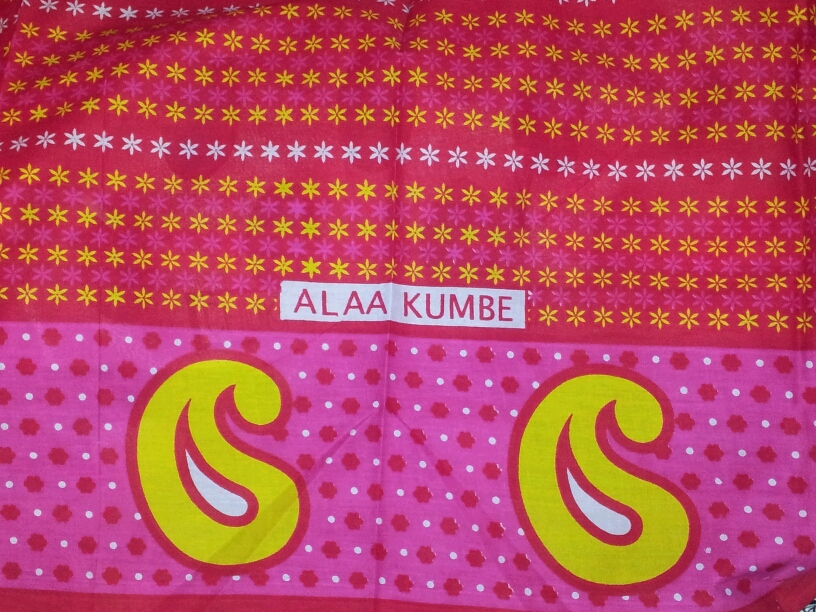
















Kanga Images - Assorted.
The kanga is a piece of cotton fabric worn around the waist shoulders and head. It has been around for about 200 years. Originally, the kanga used to be worn only by women, along the East African coast in Kenya and Tanzania. However, Madagascar has a similar fabric, known as the lamba hoany or lamba wani. My research shows that as time has changed, men are now beginning to wear the kanga too. The origin of the name kanga is disputed. On the one hand, it is thought that the fabric is named after the spotted guinea fowl, symbolized by spots on the fabric. On the other hand, it is thought that it is just by coincidence that the fabric has to have spots and that it bears the same name as the guinea fowl in Swahili. The author observes that in 1980s in Mwembe Tayari market in Mombasa Kenya there was a stall specializing in selling only second-hand kanga fabrics that its owner referred to as leso. This is particularly interesting because the only difference seemed to be that the leso was a kanga that had already been used. When the owner was asked the reason for this, she replied that the leso for her meant second-hand. More intriguingly for the author, these older items cost three times more than the brand new ones found in Mombasa sigh street shops. Besides, while such shops commonly sold unused kanga fabrics only in uncut fabric pairs, the second-hand stall that sold leso sold them in cut single pieces. The kanga’s main cultural significance, apart from being an item of clothing, is to spread messages. Originally, the written messages used to be in Swahili but in Arabic scrip, but my research shows that the fashion has recently included not only Swahili as the main language, but European languages, too. Without exception, these messages depict (day-to-day) life situations: polite or impolite; real or imagined; happy or sad; religious or political; celebratory or general; celebratory or general; romantic or spiteful and clever or witty. Additionally, a kanga may portray a message within the overall visual design. For example, the main visual design might be the map of Africa and the written message might be something like “Africa is a beautiful continent”. The kanga is rectangular in shape, with an area of about sixty by forty inches. It often has multiple borders framing an interior rectangle bearing simple or intricate designs within the overall design. These will usually be supported by a written message. However, there is a type of kanga whose aesthetic message is sufficient enough to make the point. This kanga is known as kanga bubu or “speechless kanga”. In spite of the fact that, originally, only women used it, current usage of the kanga is diverse. For example, tailoring for general family wear, tapestry, furniture covering, wall hanging, making hand-bags, wrapping by the Maasai men, and specialized tailoring for the Barotse men of Zambia, who prefer the softness of the kanga for making the liziba suits usually won during the Kwomboka ceremony. In both cases above, the Maasai and Barotse do not necessarily pay attention to the written messages on the kanga fabric. Their interest is mainly in the color design and the feel of the fabric. The kanga is softer and easier to manage for the requirements of the Barotse. The author’s attempt to classify the kanga’s written messages according to relevant topics can be viewed in this link: http://languagebox.ac.uk/view/languages/Swahili.html Nevertheless, it is virtually impossible to give just one meaning to each saying on a kanga; it is also difficult to place sayings under strict topics. This is because kanga messages are not direct and straightforward. For example, a kanga with a message that says “Leo ni leo” or literally “Today is today” could be a warning for an impending political conflict, like an election. Contrary to this, it could be announcing an exciting event, for example a wedding. Professor Zawawi notes: Although a woman is primarily trying to project a message to those with whom she is most in contact…when she goes…to buy a pair of kanga…she is attracted first by color and design. The message only comes later to enforce her choice…[but italics mine]...if the message does not please her, she casts aside the kanga...she does not want to buy unpopular messages.(2005:25). Zawawi, S M, 2005, Kanga: The Cloth That Speaks, Azaniya Hill Press, New York The kanga is a fabric that was created and used sorely by women of the East African coast around Kenya and Tanzania. However, its uses have now expanded beyond this original domain in terms of geographical area and usage. Yet, the kanga still mainly depicts Swahili culture and gives its social critiques through designed and written messages. In fact, deciphering such messages ought not to be restricted to one meaning and more importantly, should be understood within the Swahili people’s social context.
Added On: 30 Jul 2012 14:46
Languages: Swahili, English
Tags: Swahili Cultural Items, favor, swahili


Kangas expressing Gratitude.
These kangas express gratitude. A document including translations is also included.
Added On: 30 Jul 2012 14:45
Languages: Swahili, English
Tags: Swahili Cultural Items, kanga, swahili, favor








Kangas with Friendly Messages.
These could be used in a variety of ways, for example as wall hangings or table-cloths or throws. There is a document of translations included.
Added On: 30 Jul 2012 13:37
Languages: Swahili, English
Tags: Swahili, Swahili Cultural Items, FAVOR



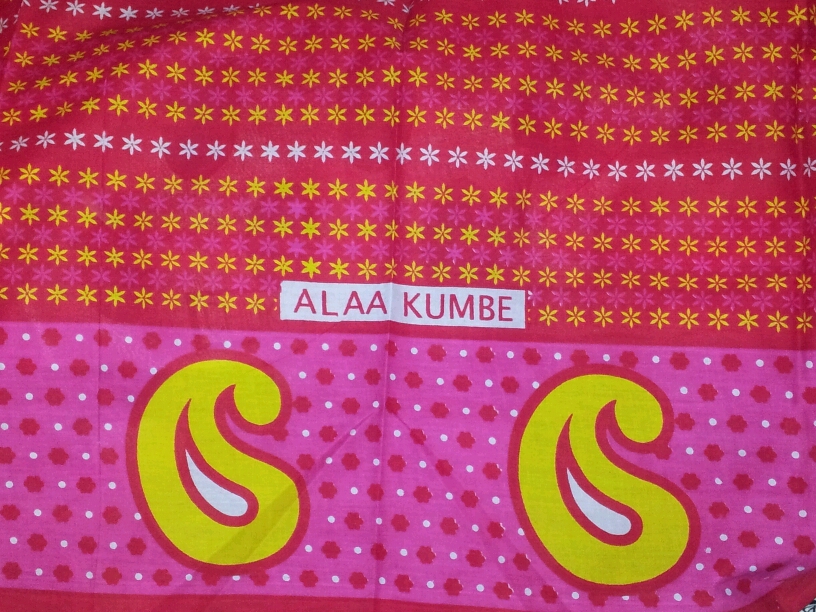












Kangas with Pointed Messages.
These kangas carry messages that drop hints about social relationships. They also aim criticisms at particular individuals. A translation document is also included.
Added On: 30 Jul 2012 14:48
Languages: Swahili, English
Tags: Swahili Cultural Items, favor

Kangas with Political Messages.
Politicians often seek popularity using this type of kanga; making special prints to give away during election campaigns. However, in rare cases, popular leaders might have no choice in this, and people make kangas on their behalf to celebrate their success. For example, this is demonstrated by the kanga labeled 'Obama' that expresses sentiments of most Africans in last US presidential elections; and thus the map of Africa in its main design. It was believed that Obama's paternal origins in Kenya were of great spiritual significance, and thus the religious message 'Love and Peace God has Granted Us.' As is evident, this particular kanga was produced in 2008, when president Barack Obama (the 44th president of the USA) won the presidential elections and came to power as the first ever black president of the United States of America.
Added On: 30 Jul 2012 14:47
Languages: Swahili, English
Tags: Swahili Cultural Items, favor, swahili, kanga







Kangas with Romantic Messages.
These kangas are ideal for either dropping romantic hints or stating such feelings directly.A document with translations is included.
Added On: 30 Jul 2012 14:46
Languages: Swahili, English
Tags: Swahili Cultural Items, kanga, swahili, favor


Kangas with Touristic Messages.
These could be used in a variety of ways. The kanga without a message is for aesthetics purposes only.
Added On: 30 Jul 2012 14:41
Languages: Swahili, English
Tags: Swahili Cultural Items, kanga, swahili, favor




Kangas with Wedding Messages.
These kangas are also called visutu (plural)or kisutu (plural) and those I have found on Lamu island shops in Kenya are typically with no messages and have a unique design as demonstrated here. They are often worn for ceremonies to do with marriage, and sometimes used for spiritual events. It is interesting to note that while the original colours were black red and white,touristic demands have changed this; while the design remains the same. The light blue/white kanga shown here sends a message wishing for a happy wedding, but it is not a kisutu. A translation document is included.
Added On: 20 Aug 2012 22:09
Languages: Swahili, English
Tags: favor, ukoer, kanga, swahili



























Kangas with Wise Sayings.
Kangas with messages giving general advice on day to day life (and death). A document giving translations is also available alongside the images.
Added On: 30 Jul 2012 14:46
Languages: Swahili, English
Tags: Swahili Cultural Items, favor, kanga, swahili

Kangas with the Girl Guides Messages.
This kanga displays the Girl Guides motto 'Be Prepared.' It also shows the three finger salute. It also has a the clover logo.
Swahili English Kanga Translations.
This is a list of Swahili-English translations which match the images included on LanguageBox.
Added On: 10 Jul 2012 13:29
Languages: Italian
Tags: classical antiquity, Roma, architecture images, Italian, ancient Roman buildings, describing in Italian
A stroll through ancient Rome in images.
A set of 16 images of the classical and historical sights of Rome partially labelled in Italian
Added On: 21 Nov 2012 15:54
Languages: English
Tags: Archi21 Project, English, listening comprehension, oral presentations, Architecture and design, CLIL
Analysing a design critique.
This learning object was created as part of the Archi21 Project. It focuses on the style of critiquing preferred for architecture and design. It features a listening extract from a critique which should be used to identify how it is delivered and then analyse some of the language used when critiquing in English.
Added On: 21 Nov 2012 16:02
Languages: English, Slovenian
Tags: Archi21 Project, architecture and design, fragility, English, urban spaces, Slovene, CLIL
Architecture and fragile ambients.
This learning object was created as part of the Archi21 Project. It reviews the elements used when referring to fragile ambients, exploring where key words in English and Slovene might correspond. It also explores relationships between urban images and the layers of fragile ambient they might reflect.
Added On: 13 Nov 2012 16:28
Languages: English, Slovene
Tags: Archi21 Project, Architecture and design, Slovene, describing architectural form, vocabulary, CLIL
Describing form in Slovene.
This learning object was created as part of the Archi21 Project - it is a learning resource for CLIL (Architecture and Design and Slovene language).
Added On: 21 Nov 2012 15:48
Languages: French, English
Tags: Archi21 Project, French, architecture and design, oral presentations, CLIL
Ecouter la presentation et un extrait de la critique d'un projet architectural.
This learning object was created as part of the Archi21 Project. It includes a listening task with a presentation made in English by a student of architecture and design. It also includes an extract from a critique of a student's presentation of their design proposal.
Added On: 21 Nov 2012 16:06
Languages: English, Slovenian
Tags: Archi21 Project, architecture and design, English, fragility, urban spaces, Slovene, CLIL
Exploring dimensions of fragility in urban design and architecture.
This learning object was created as part of the Archi21 Project. It investigates the notion of fragility from different perspectives in English and Slovene, exploring the characteristics of fragility in different urban settings and comparing the degree of fragility that different urban spaces suggest.
Added On: 21 Nov 2012 15:13
Languages: English
Tags: Archi21 Project, English, reading comprehension, vocabulary for architecture and design, lighting, urban spaces, CLIL
Introduction to lighting for architectural design.
This learning object was created as part of the Archi21 Project. It introduces English terminology for expressing the relationship between lighting and architecture. It explores the basic principles of lighting for architectural design and common problems and language in relation to architectural design in urban spaces.
Added On: 21 Nov 2012 16:11
Languages: English, Slovenian
Tags: Slovene, Archi21 Project, English, fragility, architecture and design, CLIL
Introduction to the notion of fragility in architecture and design.
This learning object was created as part of the Archi21 Project. It explores the meaning and connotations of fragility in English in the context of architecture and design. It also reviews terms and their meanings in Slovene connected with the theme of fragility.
Added On: 21 Nov 2012 15:40
Languages: French
Tags: Archi21 Project, French, Architecture and design, listening comprehension, oral presentations, language mistakes, CLIL
L'usage de la langue pour presenter un projet architectural.
This learning object was created as part of the Archi21 Project.It includes a listening comprehension using an extract from a student's presentation in English proposing an architectural design solution. It considers how to avoid making too many language mistakes when presenting and explores useful devices to structure a presentation effectively for an audience.
Added On: 21 Nov 2012 15:21
Languages: English
Tags: Archi21 Project, English, listening comprehension, architecture and design, oral presentations, language mistakes, CLIL
Language use in presentations about architectural design.
This learning object was created as part of the Archi21 Project.It includes a listening comprehension using an extract from a student's presentation in English proposing an architectural design solution. It considers how to avoid making too many language mistakes when presenting and explores useful devices to structure a presentation effectively for an audience.
Added On: 21 Nov 2012 14:57
Languages: English
Tags: architecture and design, lighting, English, Archi21 Project, listening comprehension, CLIL
Lighting for architectural design in 3D virtual worlds.
This learning object was created as part of the Archi21 Project. It explores experimentation with lighting in an online immersive 3D world, focusing on Second Life. it includes some technical aspects and the terminology used in this field in English.
Added On: 21 Nov 2012 15:48
Languages: English
Tags: Archi21 Project, English, listening comprehension, architecture and design, oral presentations, CLIL
Listening to a presentation and part of a critique in architectural design.
This learning object was created as part of the Archi21 Project. It includes a listening task with a presentation made in English by a student of architecture and design. It also includes an extract from a critique of a student's presentation of their design proposal.
Added On: 21 Nov 2012 16:00
Languages: English
Tags: Archi21 Project, English, architecture and design, design brief, CLIL
Understanding the content and language of design briefs.
This learning object was created as part of the Archi21 Project. It explores an example design brief in English to understand the elements it contains, and the meaning of some of the key language used. It also explores what makes a good design brief for a new building.
Added On: 21 Nov 2012 15:02
Languages: English
Tags: architecture and design, listening comprehension, English, Archi21 Project, design consultant, CLIL
Using virtual models in architectural planning.
This learning object was created as part of the Archi21 Project. It consists of an English listening comprehension,summarising and reformulating exercise, using a talk given by a design consultant to students of Architecture in Second Life. It also focuses on specialised vocabulary in the field of architecture and design.
Added On: 21 Nov 2012 14:52
Languages: English
Tags: architecture and design, English, writing a critique, Archi21 Project, CLIL
Writing critiques in the field of architecture and design.
This learning object was created as part of the Archi21 Project for use by students of architecture and design studiyng in a CLIL context. The language focus is English and the content focus is on exploring the language and style needed for writing a critique.
Added On: 13 Nov 2012 16:43
Languages: English
Tags: Archi21 Project, design grammars, Architecture and design, CLIL, listening comprehension, style in architecture
Approaches to style in architecture and design.
This learning object was created as psrt of the Archi21 Project. This learning resource focuses on CLIL (Architecture and Design and English as an additional language)
Added On: 13 Nov 2012 16:21
Languages: English
Tags: cybergogy, Second Life, immersive virtual world learning, architecture and design, Archi21 Project, CLIL
Introduction to cybergogy.
This learning object was created as part of the Archi21 Project. It provides an introduction to the model of cybergogy for use in immersive virtual world teaching and learning.
FAVOR project video.
Project participants from Newcastle University talk about their experience in a video. A written final report is also attached.
Added On: 16 Mar 2012 19:32
Languages: Slovak, English
Tags: Slovakia, Slovak language, Olga, Willett, FAVOR, UKOER, History, Slavonic, Slovak
BACKGROUND INFORMATION.
BACKGROUND INFORMATION about the Slovak language as a member of the Slavonic language family. Other official languages spoken in the Slovak territory during historical times. The text is in English. It will provide a basic introduction to the history and will place the Slovak language in context.
Added On: 09 Aug 2012 17:23
Languages: Slovak, English
Tags: Slovakia, Slovensko, slovenčina, Slovak, Olga, Olga Willett, FAVOR, UKOER, SSEES, spojky, conjuctions, high frequency conjuctions in Slovak
CONJUNCTIONS SPOJKY.
High frequency conjunctions in Slovak with English equivalents and examples. The list can be used for reference or self-learning.
Added On: 22 Mar 2012 00:05
Languages: Slovak, English
Tags: Slovakia, Olga Willett, Olga, Willett, FAVOR, UKOER, Direct and Indirect speech, Slovak langauge, Direct and Indirect Statement
DIRECT AND INDIRECT SPEECH (Statements and Questions).
What is Direct and Indirect Speech? This grammatical chapter compare differences between English and Slovak. It explains the structures that are likely to cause problems for students of Slovak and other Slavonic languages, when someone does not quote someone else`s words, but he repeats and reports them. This text can be usefull for the Levels A2,B1. Any dialogue can be retold into Indirect speech.
Added On: 18 Mar 2012 22:06
Languages: Slovak
Tags: Slovakia, Slovak language, Olga Willett, FAVOR, UKOER, Accusative, I like, Mám rád, Mám rada, Rada tancujem
EXPRESSING LIKES AND DISLIKES (TEXT and QUESTIONS).
This transcript of audio material is a revision excersise about liking and disliking, recycling vocabulary about family, sport, culture and reinforcing the use of the accusative, conjugation of the verbs relevant to those topics. Text can be additional help or it can be used for reading and comprehension or as a template to stimulate conversation.
Added On: 18 Mar 2012 21:29
Languages: Slovak
Tags: Slovakia, Slovak language, FAVOR, UKOER, Olga Willett, mám rád, mám rada, Family
Expressing Likes and Dislikes (Audio).
The audio material is a revision exercise about liking and disliking, recycling vocabulary about family, sport, culture and reinforcing the use of the accusative, conjugation of the verbs relevant to those topics. There is a transcript of the text too. It is for listening and comprehension; text can be additional help or it can be used for reading and comprehension. It can be a template to stimulate speaking.
Added On: 23 Mar 2012 22:35
Languages: Slovak, Polish, English, Russian
Tags: Slovakia, Slovak language, FAVOR, UKOER, Olga Willett, False Friends, Faux Amis, Zradné slová
False Friends - Faux Amis - Zradné slová.
The Slovak words that look the same, or very simular in other languages, but they do not mean the same thing. Have a fun.
Added On: 17 Mar 2012 15:34
Languages: Slovak, English
Tags: First contacts, Slovakia, Slovak language, FAVOR, UKOER, Olga Willett, verb to be, prosím, prosím si
First contacts.
Addressing people in Slovak, using "TY" and "VY", the verb "to be", English "please" and how to use Slovak "prosím" and "prosím si".
Added On: 22 Mar 2012 17:17
Languages: Slovak, English
Tags: Slovakia, Slovak language, FAVOR, UKOER, Olga Willett, fotografie, Bratislavský hrad, Bratislava, Bratislava castle
Fotografie zo Slovenska - Bratislava.
Bratislavský hrad, Bratislava castle. The photo is presented just for an ilustration. The recommended text books talk about the capital of Slovakia.
Added On: 04 Sep 2012 16:26
Languages: Slovak
Tags: Slovakia, Slovak language, FAVOR, UKOER, Olga Willett, fotografie
Fotografie zo Slovenska - Levoča.
Photographs are presented just for an illustration. The recommended text books talk about the UNESCO listed town.
Added On: 22 Mar 2012 17:34
Languages: Slovak
Tags: Slovakia, Slovak Language, FAVOR, UKOER, High Tatras, Vysoké Tatry, Olga Willett, Skalnaté Pleso
Fotografie zo Slovenska, Vysoké Tatry, Skalnaté Pleso.
Photos are presented just for an illustration. The recommended text books talk about these places in Slovakia.
Added On: 23 Mar 2012 13:09
Languages: Slovak, English
Tags: Slovakia, Slovak language, FAVOR, Olga Willett, UKOER, Nouns, Adjectives, Slovak
How to translate the expression „Slovak" into English.
This sample provides basic information how to translate the expression "Slovak" into English when using nouns,adjectives and adverbs. It gives examples when to spell capital "S" in the translated versions of the word "Slovak" and when to write the small "s".
Added On: 17 Mar 2012 18:24
Languages: Slovak
Tags: Slovakia, Slovak language, FAVOR, UKOER, Olga Willett, Nouns, Nominative singular, Quiz
KTO JE KTO.
Little quiz for fun, refering to the personalities from Slovak history, arts, sport, politics: testing and recycling vocabulary and grammar of nominative singular, especially, masculine animate nouns.
Added On: 05 Sep 2012 17:39
Languages: Slovak, English
Tags: Slovakia, Slovak language, FAVOR, UKOER, Olga Willett, Proverbs, idioms
Proverbs,Idioms,Sayings. Frazeologické spojenia, príslovia a porekadlá.
This selection of the most known idioms, proverbs and sayings will be useful material for students learning Slovak, and also vice versa, for Slovaks learning English. C2 level.
Added On: 17 Mar 2012 17:26
Languages: Slovak, English
Tags: Slovakia, Slovak language, FAVOR, UKOER, revision exercises, basic conjugation, possessive pronouns, possessive adjectives
Revision Exercises.
Four revision excercises, referring to: basic conjugations, possesive adjectives, possessive pronouns, vocabulary about the family and introductions.
Added On: 16 Mar 2012 19:52
Languages: Slovak, English
Tags: Slovakia, Slovak language, Slovak, FAVOR, UKOER, Slovak alphabet, Slovenská abeceda
Slovak Alphabet, Slovak Pronunciation.
Slovak alphabet with an example of an approximate pronunciation in English and Slovak examples.Try to spell your address,your name,your friends name…. If you visit the website http://www.slavism.com/slovak/abc.htm you can practice pronunciation of Slovak letters.
Added On: 22 Mar 2012 11:49
Languages: Slovak, English
Tags: Slovakia, Olga, Willett, Slovak language, UKOER, Teaching material, Useful links, Recommended textbooks, CD Rom and CDs, useful websites
TEACHING MATERIAL AND USEFUL INFORMATION.
Recommended textbooks, CD Rom and CDs, on line tools, useful reference material and websites.Bespoke and authentic teaching material is used in the course, sometimes it is an additional material to one of the recommended texts books.
Added On: 15 Mar 2012 22:35
Languages: Slovak
Tags: Slovakia, Slovak language, FAVOR, UK, Olga Willett, Reading, Vocabulary, Willett
The English Tea - Not Just The Popular British Drink.
The text in Slovak is suitable for level B2, C1, C2. It can be used to stimulate and inspire students to talk or write about cross-cultural differences or similarities in culinary art, attitudes and/or traditions.(FAVOR project)
Added On: 23 Mar 2012 14:56
Languages: Slovak, English
Tags: Slovakia, Slovak language, FAVOR, UKOER, Olga Willett, Olga, Willett, To have, mať, A-Conjugation, Pronouns
Verb "to have" or "mať".
This teaching material sample is about: the basic pronouns in nominative, the A-Conjugation in present form and the rhythmic law in Slovak.
Added On: 11 Sep 2012 21:07
Languages: Slovak
Tags: Slovakia, Slovak language, UKOER, FAVOR, Olga Willett, email, rezervácia hotela, hotel
Procrastination - a Tigrinyan poem.
This Tigrinya poem is based on an English poem, whose author is not known.
Tigrinya Idioms.
Idioms such as the four items, which are underlined, are so linked with the tradition, it is essential for those born in the Diaspora to learn and appreciate their denotative and conotative meanings.
Added On: 22 Oct 2012 23:34
Languages: French, Spanish, German
Tags: AS level, AS, GCSE, A2, A level
Moving from GCSE to AS level for the first time in a language.
Moving from GCSE to AS level for the first time in a language - how to do it effectively and more enjoyably.
The Right Road.
A collage to give a taste of the careers routes one can go down as a specialist or non-specialist of languages.
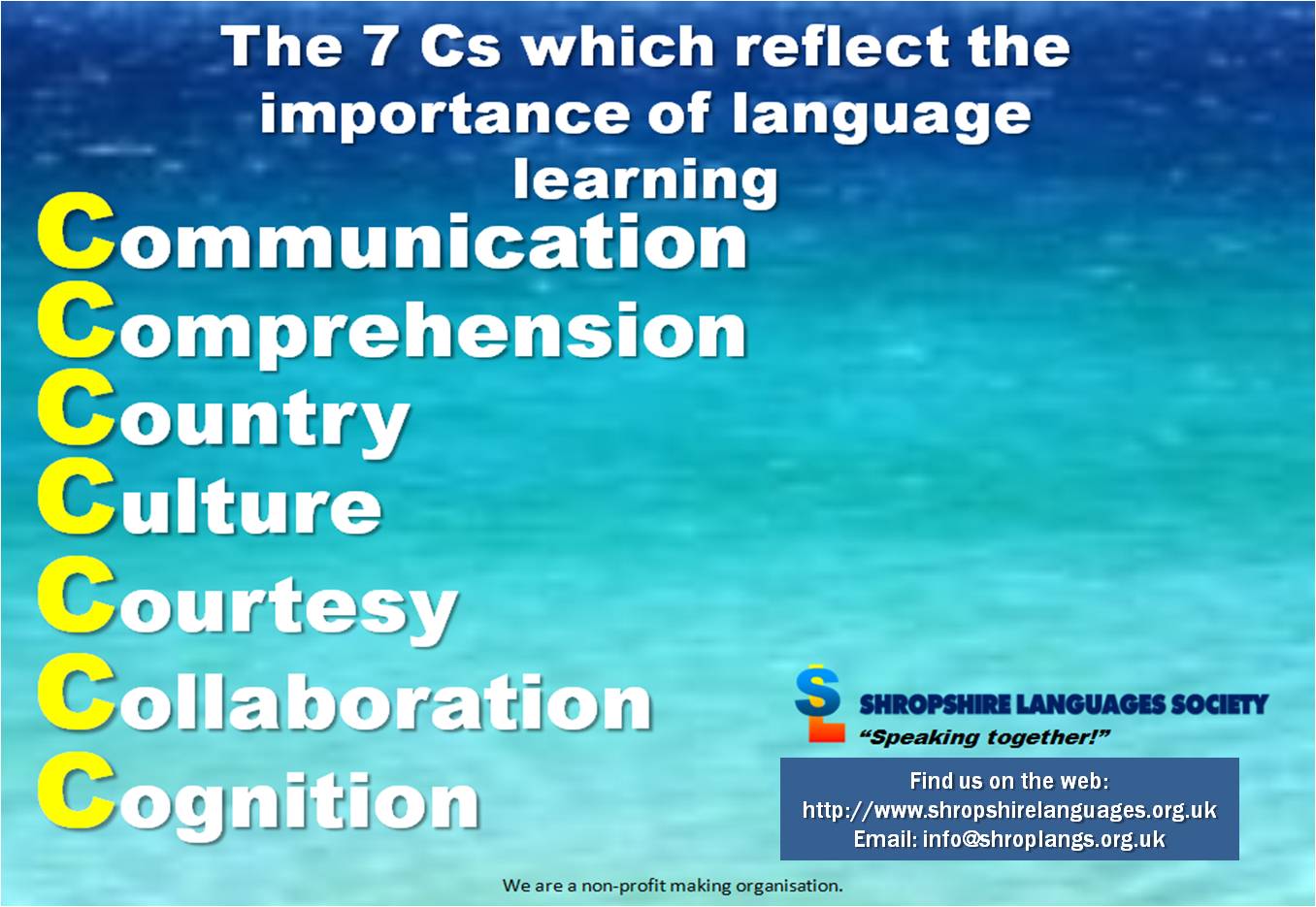
The Seven Cs which reflect the importance of Language Learning.
Seven words beginning with the letter 'c' that reflect the benefits and importance of language learning.
Z
Lesson eight hobbies - Chinese.
In this lesson you will learn a few words for hobbies and a few sentences in relation to the topic. A few characters are introduced as well. A lesson plan is attached for teachers.
Lesson five shopping- Chinese.
Learn some words and sentences in relate to shopping. A lesson plan is attached.
Lesson four time and date- Chinese.
This lesson contains words and sentences for time and date. A lesson plan is attached to assist teachers.
Lesson nine transport- Chinese.
In this lesson you will learn some words for transport, and some sentence patterns in relation to the topic. You will also learn a few characters. There is a powerpoint file and a teacher's guide.
Lesson one - Chinese - Pinyin.
The lesson introduces pinyin, and it contains some exercises. The word document is a lesson plan for teachers.
Lesson seven places and directions- Chinese.
In this lesson you will learn a few words for places and directions,and you will also learn a few sentences in relation to the topic. A few more characters are introduced as well. A lesson plan is attached for teachers.
Lesson six food and drinks- Chinese.
Learn words and sentences in relate to food and drinks. A lesson plan is attached.
Lesson ten cities and travelling- Chinese.
In this lesson you will learn some words for cities and tourist attractions and some sentence patterns. You will also learn a few characters. There is a powerpoint and a handout with guidance for teachers.
Lesson three Family and friends- Chinese.
This lesson contains words and sentences in relate to family and friends. A lesson plan is attached to assist teachers.
Lesson two Introduce yourself in Chinese.
In this lesson you will learn to talk about your name, nationality and age. The word document is a lesson plan for teachers.

